 EN
EN
 English
  中文简体
中文简体  русский


Best Thermal Socks for Extreme Cold: Top Picks & Guide
Content
The Critical Role of Material in Heat Retention
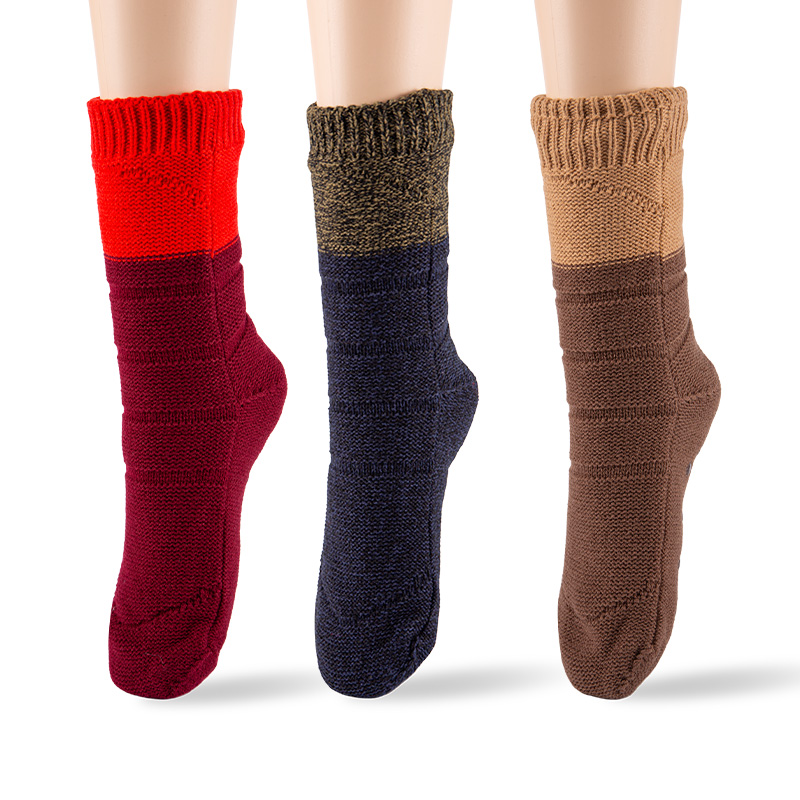
The best thermal socks for extreme cold rely heavily on high-quality Merino wool or advanced synthetic blends to trap body heat while effectively managing moisture. Unlike cotton, which retains water and leads to rapid heat loss, Merino wool fibers can absorb up to 30% of their weight in moisture without feeling wet, keeping feet dry and warm even in sub-zero temperatures. This natural insulation is complemented by synthetic fibers like nylon and spandex, which add durability and shape retention.
For activities such as winter hiking, skiing, or outdoor work, selecting the right sock is not just about comfort; it is a safety measure against frostbite and hypothermia. The ideal sock creates a microclimate around the foot, balancing warmth with breathability to prevent sweat buildup that can freeze in extreme conditions.
Key Features for Maximum Warmth
When evaluating thermal socks, several structural features contribute to their performance. Thickness is a primary factor, often categorized by weight: lightweight, midweight, and heavyweight. For extreme cold, heavyweight socks with thick terry loop cushioning provide superior insulation by creating air pockets that trap heat. However, it is crucial to ensure that the added bulk does not restrict blood circulation, which can ironically make feet colder.
Height and Coverage
Sock height plays a significant role in overall warmth. Crew-length or knee-high socks prevent snow from entering boots and protect the lower leg from wind chill. Look for models with extended cuffs that can be pulled up over base layers to create a seamless thermal barrier. Additionally, seamless toe closures reduce friction and the risk of blisters during long periods of activity.
| Sock Weight | Insulation Level | Best Use Case | Breathability |
|---|---|---|---|
| Lightweight | Low | High-intensity activity | High |
| Midweight | Medium | General winter use | Medium |
| Heavyweight | High | Extreme cold, static activities | Low-Medium |
Top Material Choices for Winter Performance
Merino wool remains the gold standard for thermal socks due to its natural temperature-regulating properties. It is soft, non-itchy, and naturally antimicrobial, reducing odor during multi-day trips. Brands often blend Merino with nylon for strength and elastane for fit. For those allergic to wool, synthetic alternatives like acrylic and polyester offer excellent moisture-wicking capabilities, though they may lack the same level of warmth-to-weight ratio.
The Role of Synthetic Blends
Synthetic fibers are often used in high-wear areas such as the heel and toe to extend the lifespan of the sock. Some advanced thermal socks incorporate thin layers of aluminum or reflective materials to reflect body heat back toward the foot. While these technologies can provide a slight boost in warmth, the fundamental insulation still comes from the thickness and density of the fabric.
- Merino Wool: Natural insulation, odor-resistant, breathable.
- Nylon/Polyester: Adds durability and speeds up drying time.
- Spandex/Elastane: Ensures a snug fit to prevent slipping.
Fit and Circulation Considerations
A common mistake in extreme cold is wearing socks that are too tight. Restrictive socks can impede blood flow to the extremities, causing feet to become cold regardless of insulation. It is essential to choose a size that allows for slight movement of toes and does not leave deep indentations on the skin. If layering socks, ensure the outer sock is large enough to accommodate the inner layer without compressing the foot.
Layering Strategies
For extremely low temperatures, a two-sock system can be effective. A thin, moisture-wicking liner sock made of synthetic material sits next to the skin, pulling sweat away, while a thick wool outer sock provides insulation. This method reduces friction and keeps feet drier, but it requires boots with ample volume to avoid constriction.
- Ensure boots are not too tight when wearing thermal socks.
- Avoid cotton liners as they retain moisture and cause chilling.
- Check for pressure points after walking for a few minutes.
Care and Maintenance for Longevity
Proper care extends the life of thermal socks and maintains their insulating properties. Merino wool should be washed in cold water with a mild detergent designed for wool, avoiding fabric softeners that can coat fibers and reduce moisture-wicking ability. Air drying is preferred, as high heat from dryers can shrink wool and damage elastic fibers.
Investing in high-quality thermal socks and caring for them properly ensures reliable performance in extreme conditions. By prioritizing material, fit, and appropriate weight, you can keep your feet warm, dry, and comfortable during the harshest winter activities.
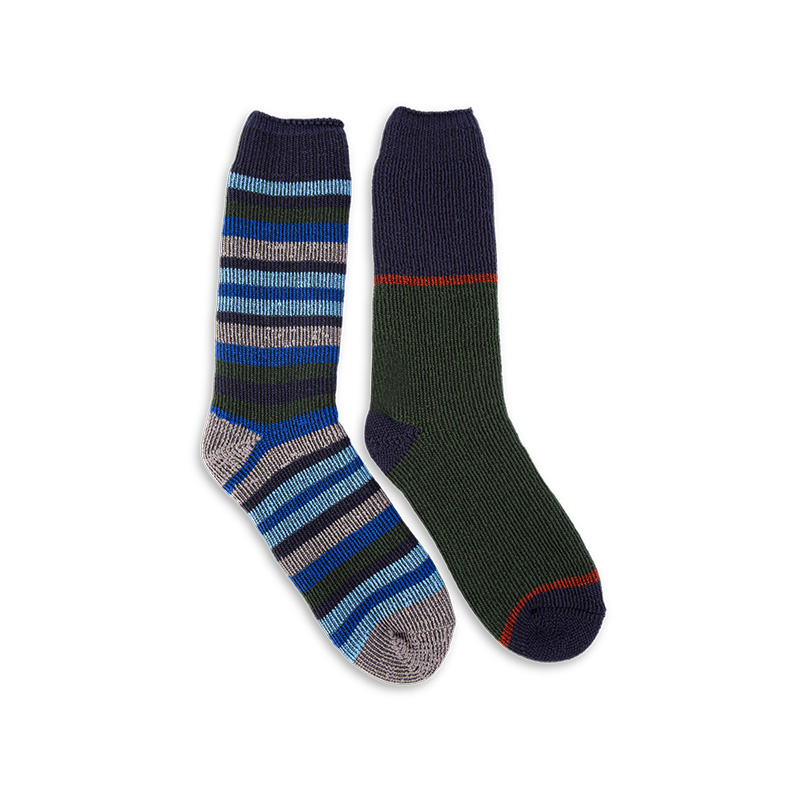
Our Main Products
To Contact When You Need Us!

 +86-15995363302

 No.58, Xiaowuxiang Rd, Yunting Town, Jiangyin City, Jiangsu, China.
Copyright @ Jiangsu Ruizhi Knitwear Co., Ltd. All Rights Reserved.
