
 EN
EN
 English
  中文简体
中文简体  русский


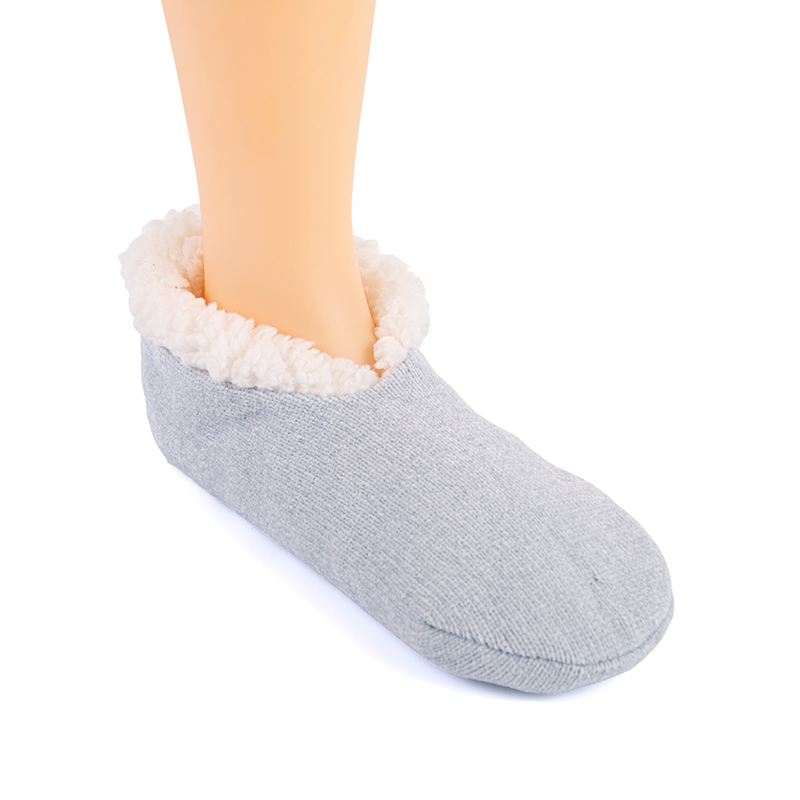
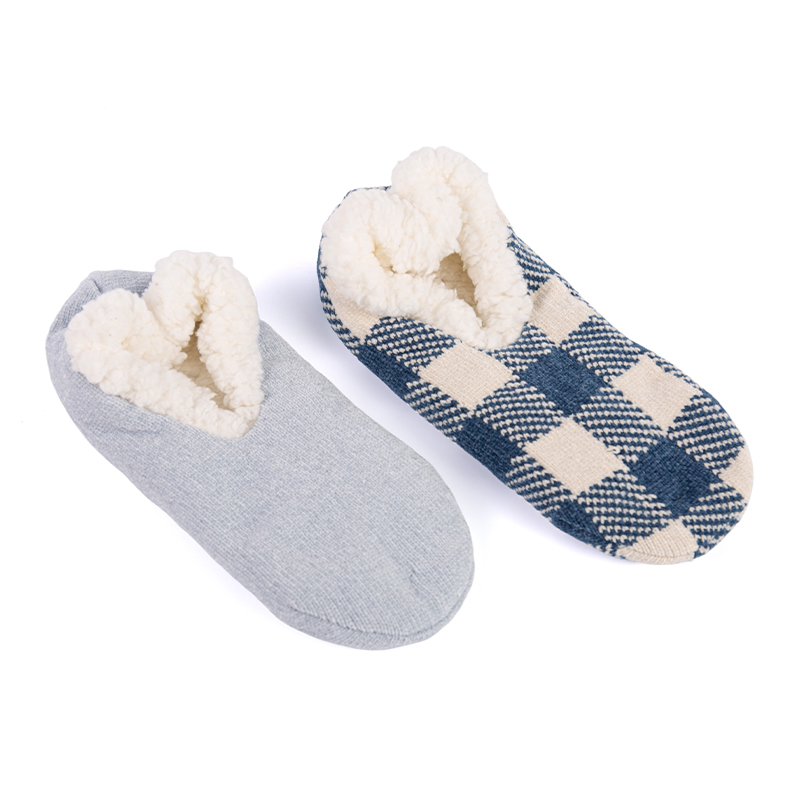
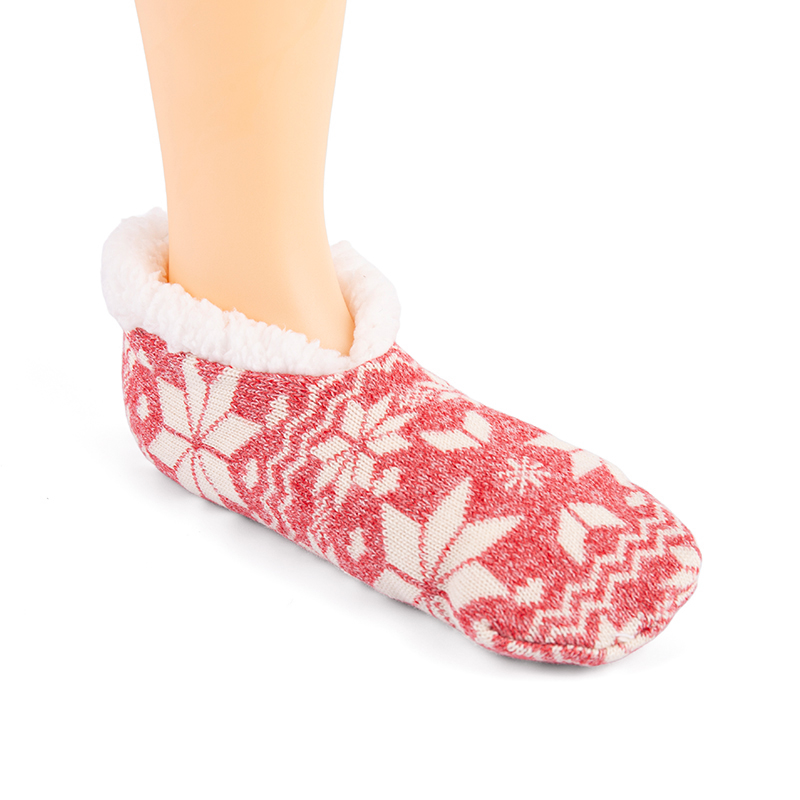
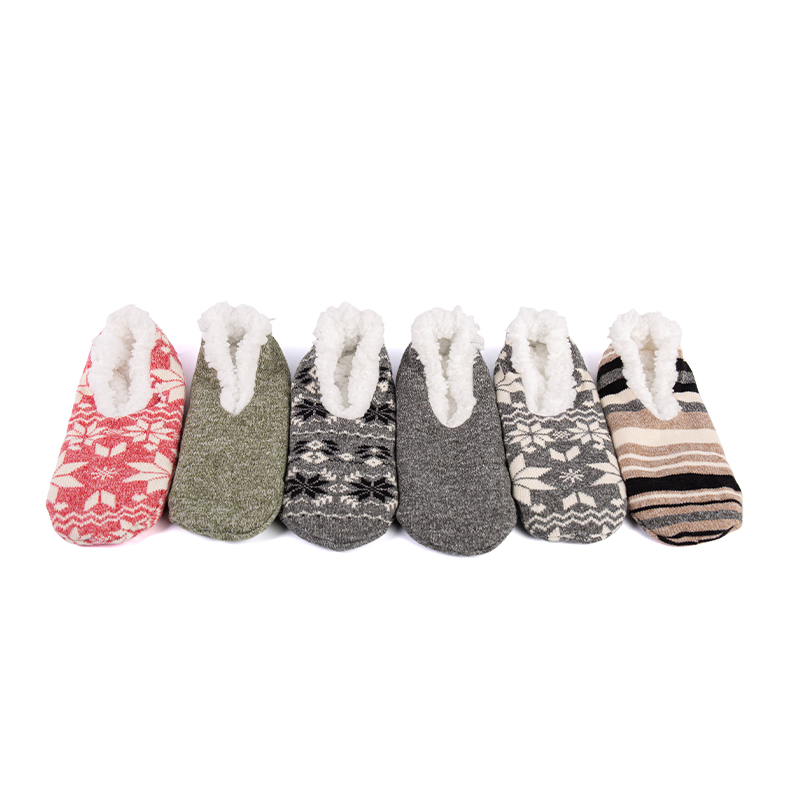
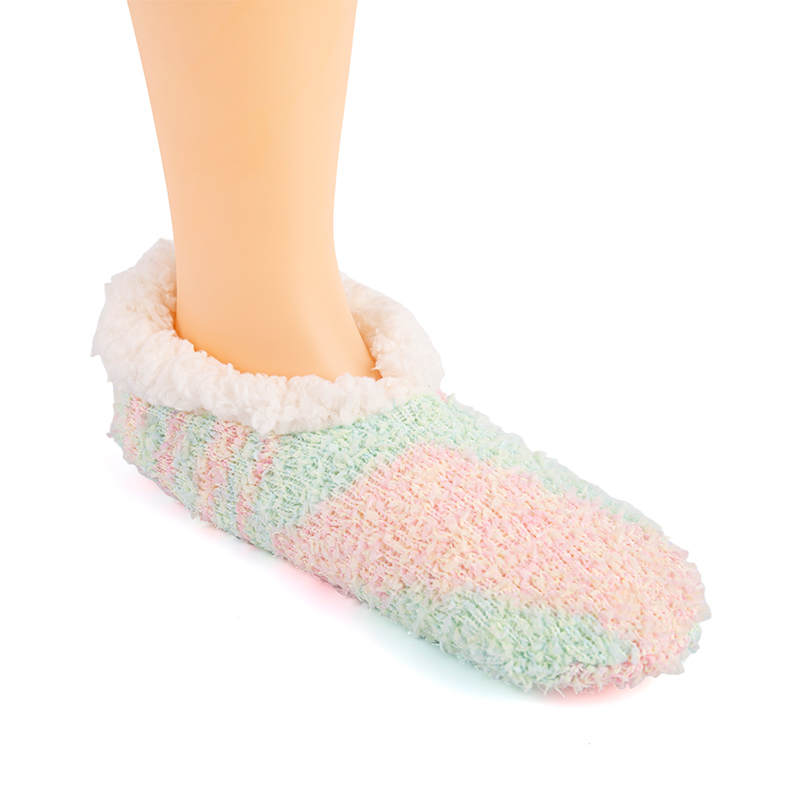
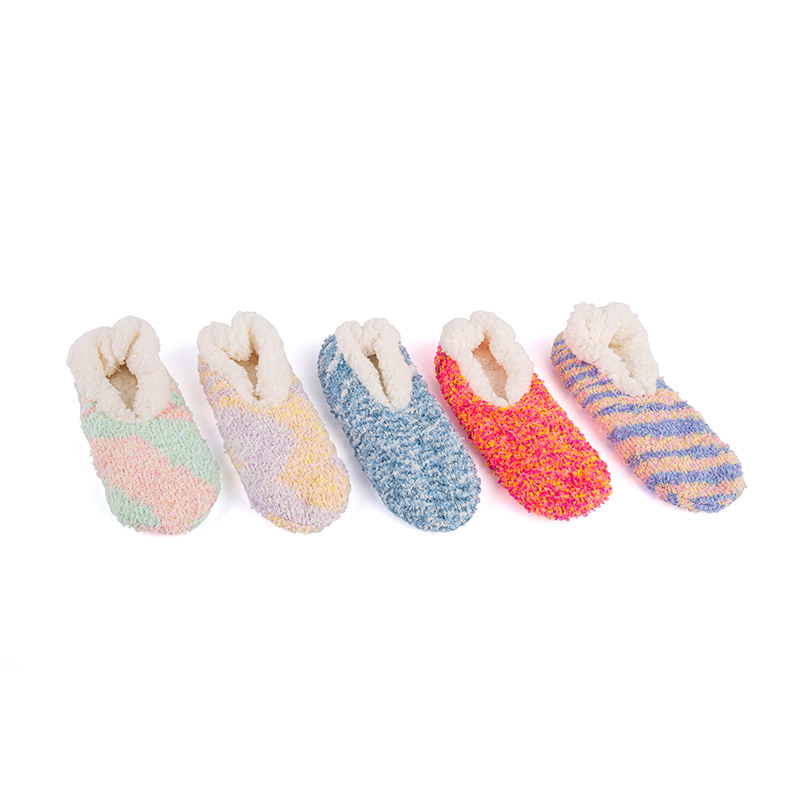
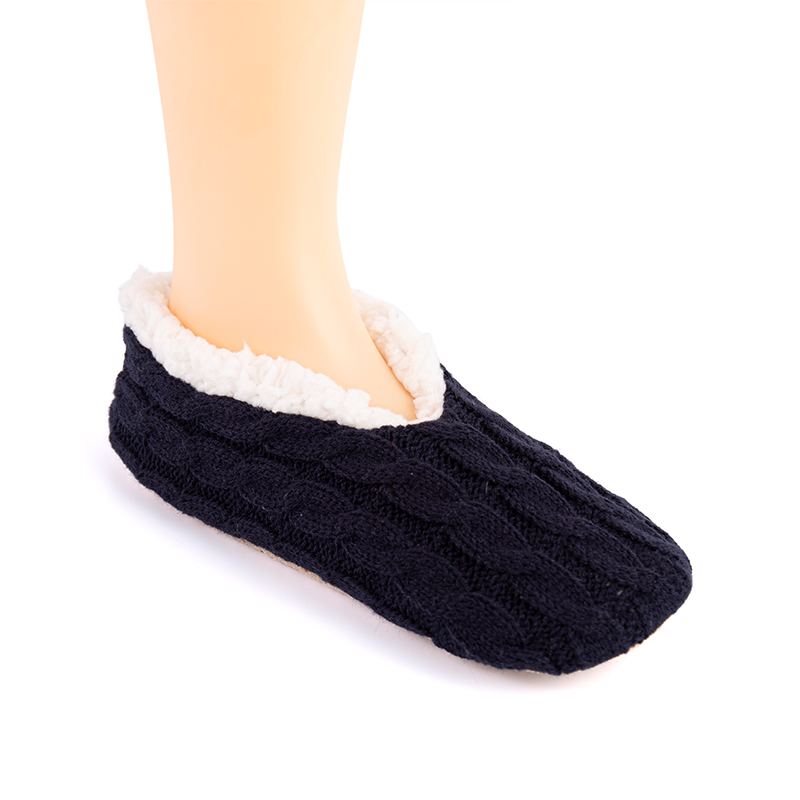
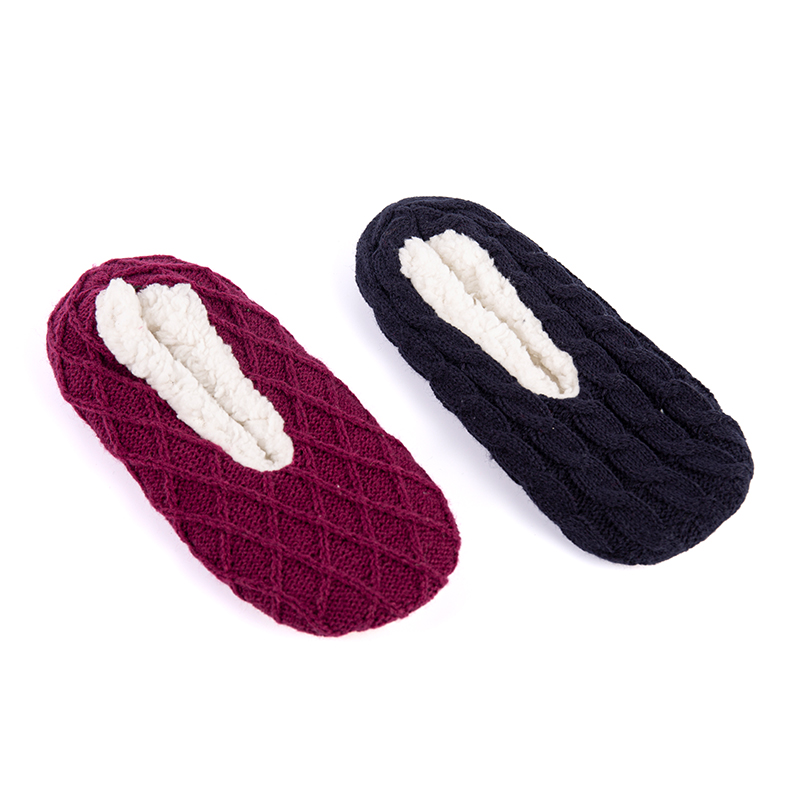
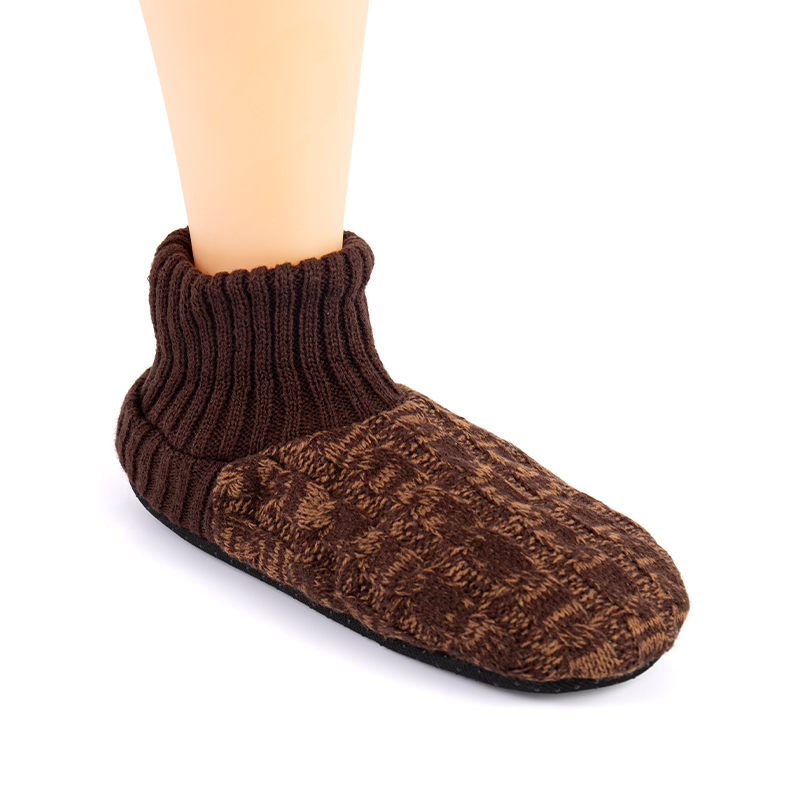
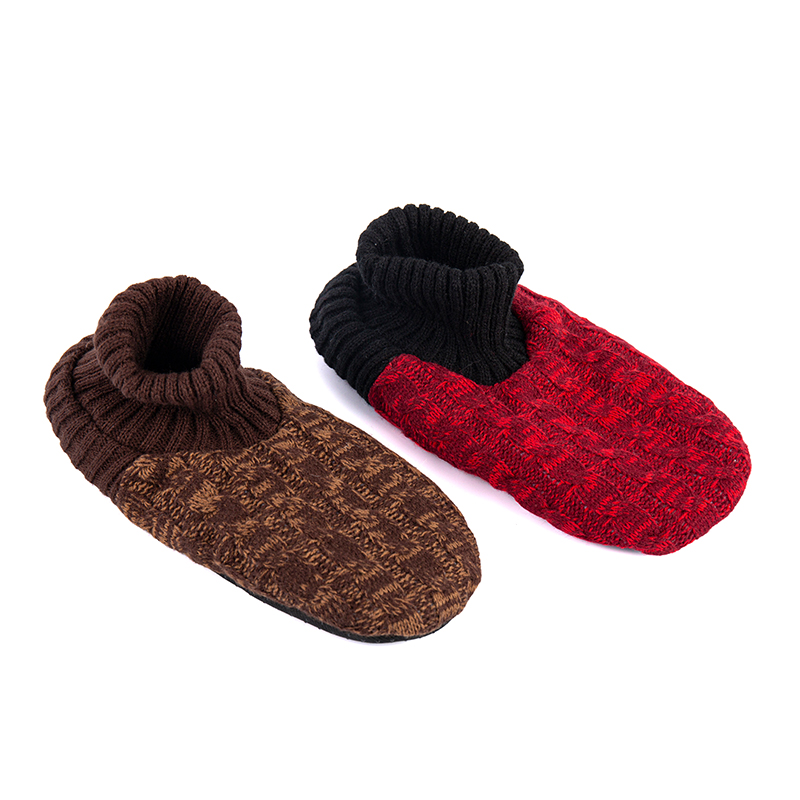

The Science Behind Slipper Sock Grippers
Slipper socks with grippers have become increasingly popular as a safe and comfortable alternative to traditional slippers, especially for elderly individuals, children, and those recovering from surgery. The grip technology embedded in these socks is not merely decorative but serves a critical safety function. Most high-quality slipper socks use silicone-based or thermoplastic rubber (TPR) grips that are strategically placed on the sole to maximize friction against smooth surfaces like hardwood floors, tiles, and polished laminate.
At Jiangsu Ruizhi Knitwear Co., Ltd., we understand that effective grip design requires careful consideration of pattern geometry, material composition, and placement density. Our R&D team has found that hexagonal or circular grip patterns distributed across the ball of the foot and heel provide optimal traction without compromising flexibility. The grips must be firmly bonded to the sock fabric through heat-pressing or adhesive techniques that withstand repeated washing cycles while maintaining their anti-slip properties.
Key Factors in Grip Effectiveness
- Grip Material Composition: Silicone offers superior durability and temperature resistance compared to PVC alternatives, maintaining flexibility even in cold conditions while providing consistent traction across various floor types.
- Pattern Density and Distribution: Optimal grip coverage balances sufficient traction points with adequate fabric exposure for breathability and comfort, typically covering 40-60% of the sole surface area.
- Thickness and Height: Grips should protrude 1-2mm above the sock surface to ensure contact with flooring while remaining low enough to prevent tripping hazards or discomfort when walking.
- Wash Durability: Quality grippers maintain adhesion and shape retention through at least 50 wash cycles, which is essential for hygiene-conscious consumers who regularly launder their slipper socks.
Material Selection for Warm Slipper Socks
Creating warm slipper socks requires careful selection of fiber blends that balance thermal insulation, moisture management, and softness against the skin. Traditional materials like wool remain excellent insulators due to their natural crimp structure that traps air, but modern synthetic blends offer enhanced performance characteristics including faster drying times, improved durability, and hypoallergenic properties suitable for sensitive skin.
As a modern sock manufacturer established in 2023, Jiangsu Ruizhi Knitwear Co., Ltd. integrates advanced textile technologies into our production processes. Our factory in the Yangtze River Delta, covering 5,000 square meters with an annual output of 10 million pairs, utilizes precision knitting machines that can create complex multi-layer constructions. These constructions often feature a soft inner lining of brushed acrylic or microfiber fleece for immediate warmth upon wearing, combined with an outer shell of durable cotton-polyester blend that maintains shape and provides structural integrity.
| Material Type | Thermal Rating | Moisture Wicking | Durability | Best Use Case |
| Merino Wool Blend | Excellent | Good | Moderate | Cold climates, overnight wear |
| Acrylic Fleece Lined | Very Good | Fair | High | Indoor lounging, budget-friendly option |
| Cotton-Terry Interior | Good | Excellent | High | Moderate temperatures, post-shower use |
| Bamboo Fiber Blend | Good | Excellent | Moderate | Sensitive skin, eco-conscious consumers |
| Thermal Synthetic Blend | Very Good | Good | Very High | Active indoor use, athletic recovery |
Construction Techniques That Enhance Comfort
The manufacturing process of quality slipper socks involves several specialized construction techniques that distinguish premium products from basic alternatives. Seamless toe closures eliminate pressure points and rubbing that can cause discomfort during extended wear, particularly important for individuals with diabetes or circulation issues who require extra care in foot garments. Advanced flat-knit toe seams create a smooth interior surface that prevents irritation while maintaining structural integrity.
Reinforced heel and toe areas extend the lifespan of slipper socks by addressing the zones most susceptible to wear and tear. Our team at Jiangsu Ruizhi Knitwear combines experienced industry professionals with energetic young talents to implement double-layer knitting or denser stitch patterns in these high-stress areas without adding bulk that could compromise fit or comfort. This attention to detail reflects our shared respect for craftsmanship and quality, ensuring each pair delivers positive value to customers worldwide.
Advanced Knitting Technologies
- Computerized Circular Knitting: Enables precise control over stitch density and pattern complexity, allowing for graduated compression zones that improve circulation while maintaining warmth throughout the foot.
- Terry Loop Construction: Creates plush interior surfaces with enhanced insulation properties by forming small loops of yarn that trap warm air close to the skin, particularly effective in colder environments.
- Elastane Integration: Strategic incorporation of spandex or elastane fibers in the cuff and arch areas provides gentle compression that keeps socks securely in place without restricting blood flow or causing discomfort.
- Moisture-Wicking Channel Design: Specialized knit structures that create microscopic channels between yarns, facilitating capillary action that draws perspiration away from the skin to the outer layers where it can evaporate more efficiently.
Safety Standards and Testing Protocols
Slipper socks with grippers must meet rigorous safety standards to ensure they provide reliable traction without introducing new hazards. International testing protocols evaluate coefficient of friction values across different floor surfaces and conditions, including dry, wet, and contaminated scenarios. Products intended for healthcare settings face additional requirements regarding bacterial resistance, flame retardancy, and compatibility with industrial laundering processes used in hospitals and nursing facilities.
Through continuous innovation and an unwavering pursuit of excellence, Jiangsu Ruizhi Knitwear Co., Ltd. implements comprehensive quality control measures throughout our production process. Located in the Yangtze River Delta with convenient traffic transportation, our facility conducts regular batch testing that includes tensile strength assessments, colorfastness evaluations under various washing conditions, and grip durability tests simulating thousands of steps. We believe that through reliable quality, competitive pricing, excellent service, and our dedication to creating socks that deliver warmth and comfort, we will earn your trust and long-term partnership.
Essential Testing Parameters
- Dynamic Coefficient of Friction Testing: Measures slip resistance under simulated walking conditions using standardized test surfaces representing common flooring materials, with minimum acceptable values varying by intended use environment.
- Adhesion Strength Assessment: Evaluates the bond between grip material and sock fabric through peel tests and abrasion simulations, ensuring grips remain intact through expected product lifespan of regular use and washing.
- Dimensional Stability Analysis: Confirms that slipper socks maintain proper fit and grip positioning after repeated laundering cycles, preventing shrinkage or distortion that could compromise both comfort and safety features.
- Chemical Safety Verification: Screens for harmful substances including azo dyes, formaldehyde, heavy metals, and phthalates to ensure compliance with international regulations such as REACH, Oeko-Tex Standard 100, and CPSIA requirements for different market segments.
 +86-15995363302
 No.58, Xiaowuxiang Rd, Yunting Town, Jiangyin City, Jiangsu, China.