
 EN
EN
 English
  中文简体
中文简体  русский


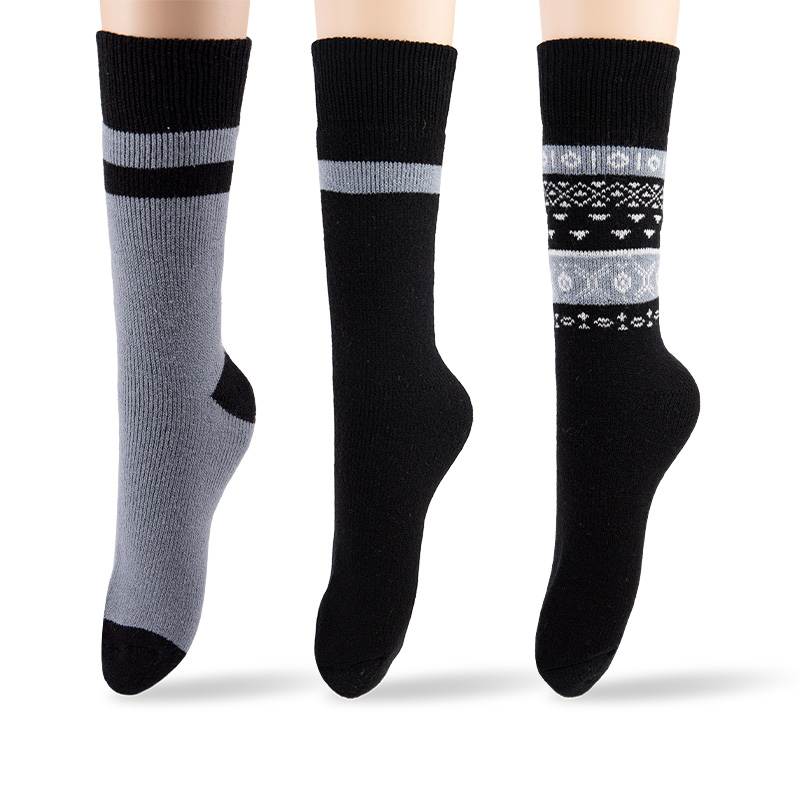
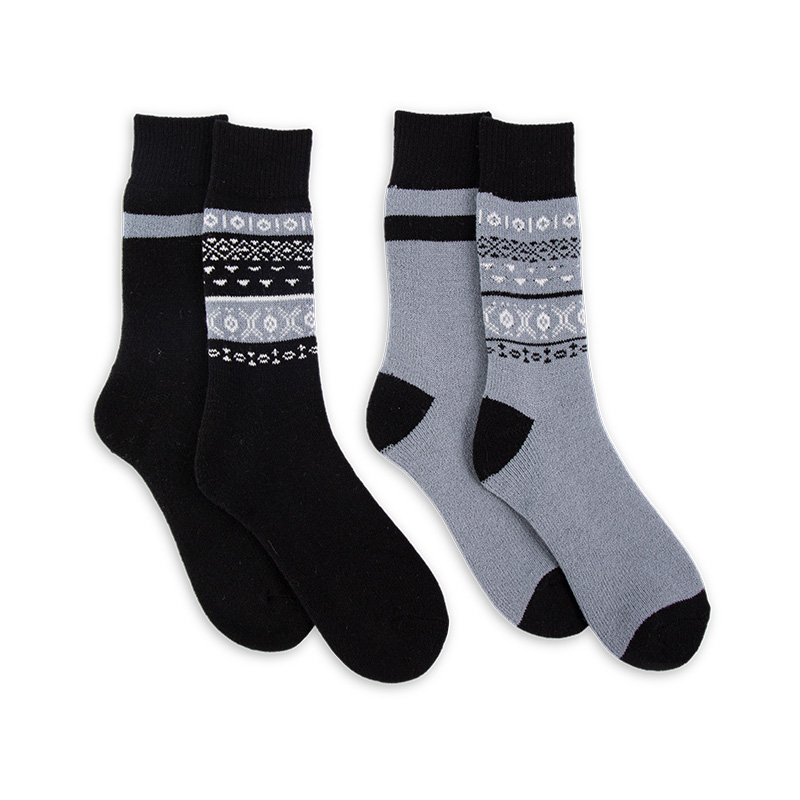
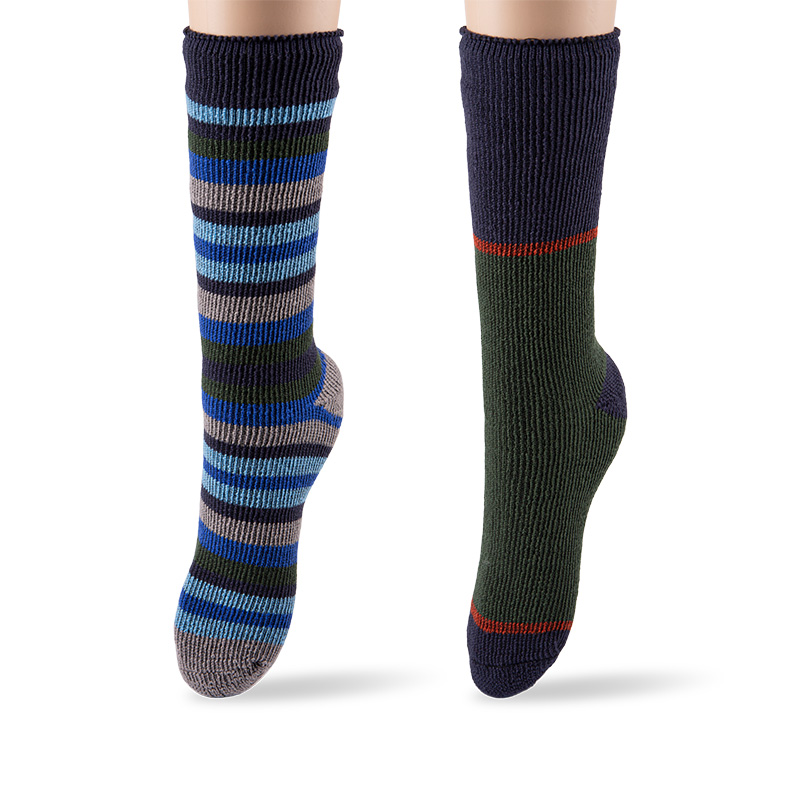
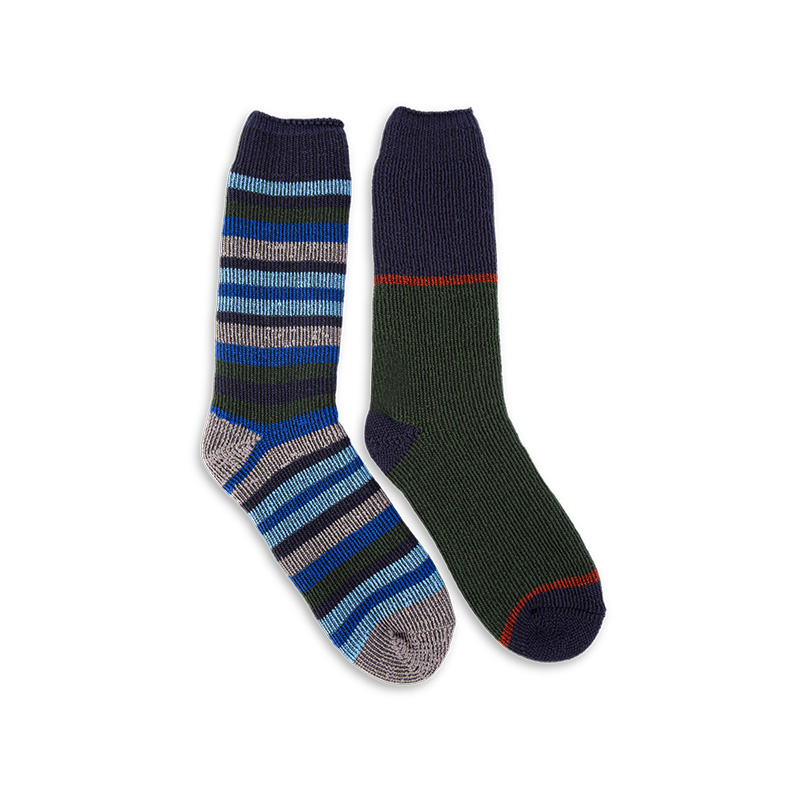
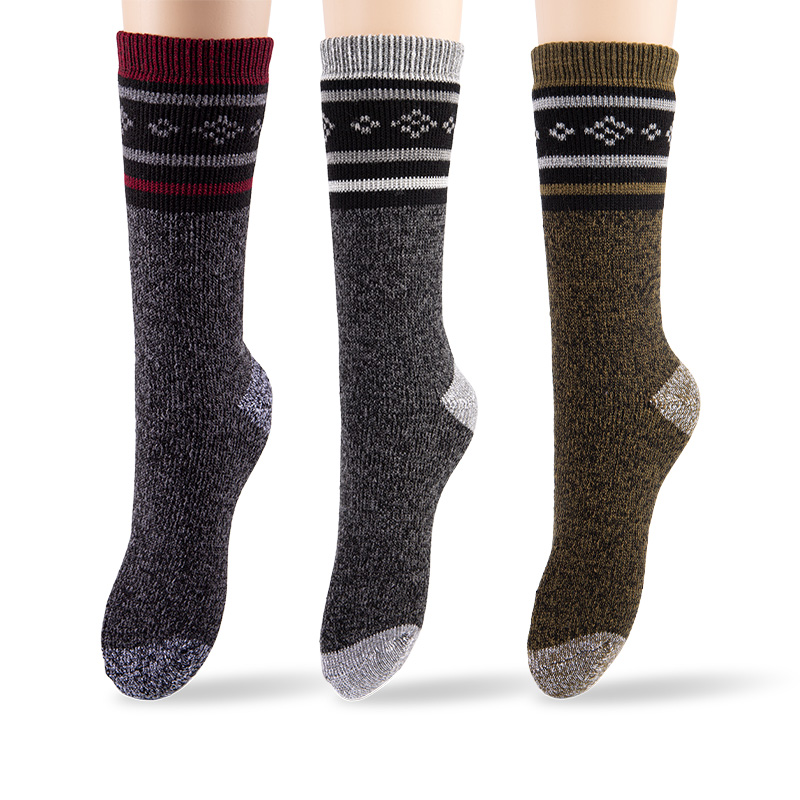
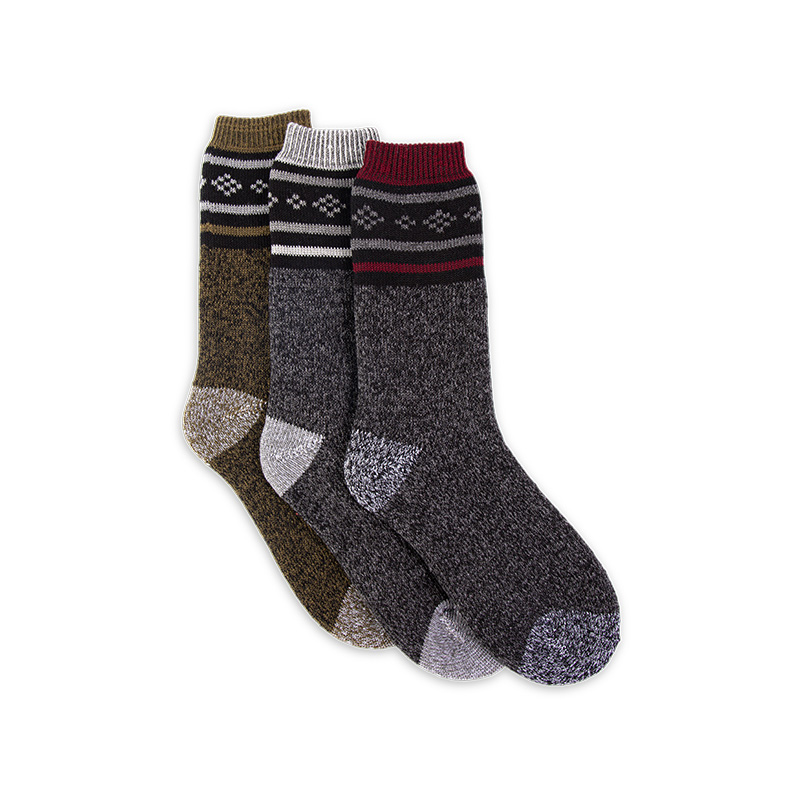

Thermodynamics of Footwear Insulation
Men's heat retainer socks operate on the principle of reducing thermal conductivity rather than generating heat. The human foot contains a high density of sweat glands, and in cold conditions, moisture evaporation can lead to rapid heat loss, a phenomenon known as evaporative cooling. Effective thermal socks create a microclimate by trapping a layer of still air close to the skin. This air layer acts as an insulator because air is a poor conductor of heat. The complexity lies in maintaining this air pocket while simultaneously wicking moisture away from the skin to prevent the insulation from becoming saturated and losing its efficacy.
At Jiangsu Ruizhi Knitwear Co., Ltd., we apply scientific principles to textile engineering to optimize this balance. Established in 2023, our modern sock manufacturer integrates design, R&D, production, and sales to create products that scientifically manage body temperature. Our team, combining experienced industry professionals with energetic young talents, utilizes advanced knitting structures such as terry loops and double-layer constructions to maximize loft without adding excessive bulk. Located in the Yangtze River Delta with convenient traffic transportation, our factory covers 5,000 square meters with an annual output of 10 million pairs. This capacity allows us to rigorously test thermal retention properties, ensuring that every pair delivers the warmth and comfort necessary for men working or living in cold environments.
Mechanisms of Heat Retention
- Loft Creation: Brushed interiors or hollow-core fibers increase the volume of the fabric, trapping more air molecules which slow down heat transfer from the foot to the cold environment.
- Moisture Vapor Transmission: High-performance fibers pull perspiration away from the skin in vapor form before it condenses into liquid, keeping the insulating layer dry and effective.
- Wind Resistance: Tighter knit densities in the outer shell reduce convective heat loss caused by wind penetrating through shoe vents or loose footwear.
- Reflective Technology: Some advanced heat retainer socks incorporate metallic threads that reflect infrared radiation (body heat) back towards the skin, enhancing thermal efficiency.
Advanced Fiber Technologies for Men
The material composition of men's heat retainer socks has evolved beyond traditional wool. While merino wool remains a gold standard for its natural crimp and odor resistance, synthetic innovations offer distinct advantages for specific use cases. Acrylic fibers, often referred to as "synthetic wool," provide excellent insulation and are hydrophobic, meaning they do not absorb water but instead wick it away. Blends incorporating polyester and nylon enhance durability and drying speed, which is crucial for men engaged in outdoor labor or winter sports where socks may be exposed to snow or slush.
We believe that through reliable quality and continuous innovation, Jiangsu Ruizhi Knitwear Co., Ltd. can offer superior thermal solutions. Our R&D team constantly explores new fiber blends, such as thermoplastic polyurethane (TPU) membranes integrated into knit structures for waterproof breathability. By respecting craftsmanship and quality, we ensure that each sock not only retains heat but also withstands the rigors of daily wear. This dedication to creating positive value helps us earn the trust and long-term partnership of customers who depend on our products for protection against the elements.
| Fiber Type | Insulation Rating | Moisture Management | Durability | Ideal Use Case |
| Merino Wool Blend | High | Excellent (Vapor) | Moderate | Static cold, office wear |
| Acrylic/Thermal Synthetic | Very High | Good (Wicking) | High | Outdoor work, hiking |
| Alpaca Fiber | Extreme | Good | Moderate | Extreme cold exposure |
| Bamboo Charcoal | Moderate | Excellent | Low | Odor control, mild cold |
| Polyester Fleece Lined | High | Fair | Very High | Heavy machinery operation |
Circulation and Ergonomic Fit
A critical aspect of men's heat retainer socks is ensuring that warmth does not come at the cost of circulation. Tight socks can constrict blood vessels, reducing the flow of warm blood to the extremities and paradoxically making feet colder. Ergonomic design involves graduated compression, where the sock is snug at the ankle to support venous return but looser at the calf to prevent binding. Additionally, seamless toe closures eliminate pressure points that can restrict capillary flow in the toes, which are often the first parts of the foot to feel cold.
Our team at Jiangsu Ruizhi Knitwear Co., Ltd. prioritizes ergonomic fit in all our thermal designs. We understand that men's feet vary significantly in shape and size, requiring precise sizing and stretch recovery properties. By combining experienced industry insights with innovative knitting technologies, we create socks that conform to the foot without constriction. This commitment to comfort and health ensures that our products deliver positive value, supporting men in their daily activities whether they are standing on concrete floors or trekking through snow.
Ergonomic Design Features
- Anatomical Heel Cups: Deep, shaped heels prevent the sock from sliding forward, ensuring consistent coverage and preventing bunching that can cut off circulation.
- Non-Binding Cuffs: Wide, soft elastic bands distribute pressure evenly around the calf, preventing the "sock mark" and maintaining healthy blood flow.
- Left/Right Specificity: Advanced knitting allows for left and right specific shapes, providing a glove-like fit that reduces material waste and improves thermal contact.
- Arch Support Bands: Gentle compression in the arch area stabilizes the foot within the boot, reducing muscle fatigue and improving overall comfort during long periods of standing.
Maintenance of Thermal Properties
To preserve the heat-retaining capabilities of men's thermal socks, proper care is essential. Frequent washing at high temperatures can damage the elastic fibers and reduce the loft of natural wools, diminishing their insulating power. It is recommended to wash thermal socks in cool or lukewarm water using mild detergents. Avoiding fabric softeners is crucial, as they can coat the fibers and reduce their ability to wick moisture, leading to dampness and reduced warmth. Air drying is preferred over tumble drying, as high heat can shrink natural fibers and degrade synthetic elastanes.
At Jiangsu Ruizhi Knitwear Co., Ltd., we design our products with durability in mind, ensuring they withstand regular use and washing while maintaining their performance. Our unwavering pursuit of dreams includes educating our partners and customers on best practices for garment care. By combining reliable quality with practical advice, we help extend the lifespan of our products, ensuring that each pair continues to deliver warmth and comfort season after season. This commitment to excellence and customer satisfaction is what drives our long-term partnerships and success in the global market.
 +86-15995363302
 No.58, Xiaowuxiang Rd, Yunting Town, Jiangyin City, Jiangsu, China.