
 EN
EN
 English
  中文简体
中文简体  русский


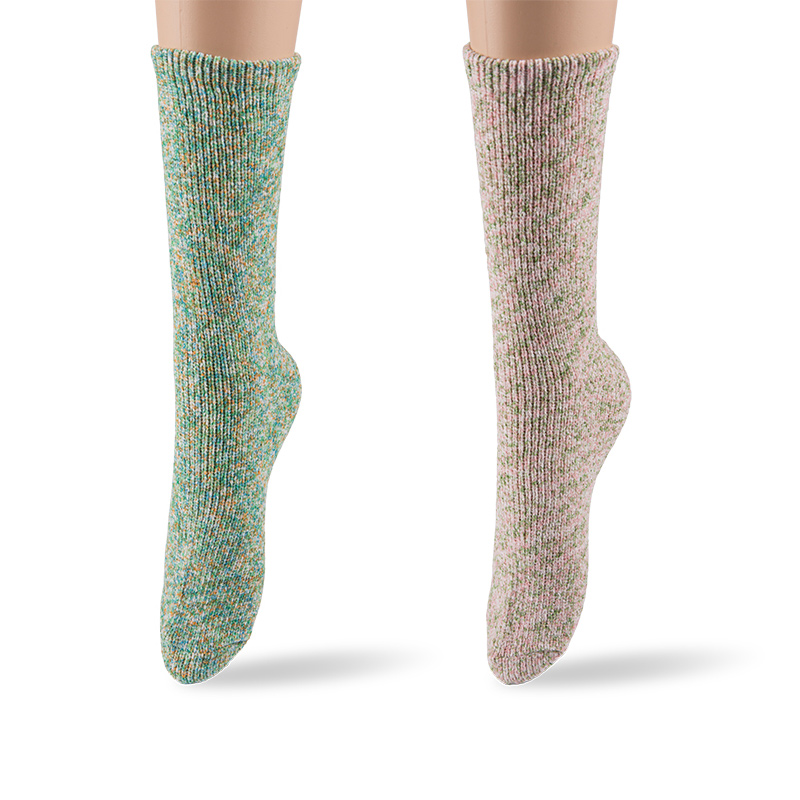
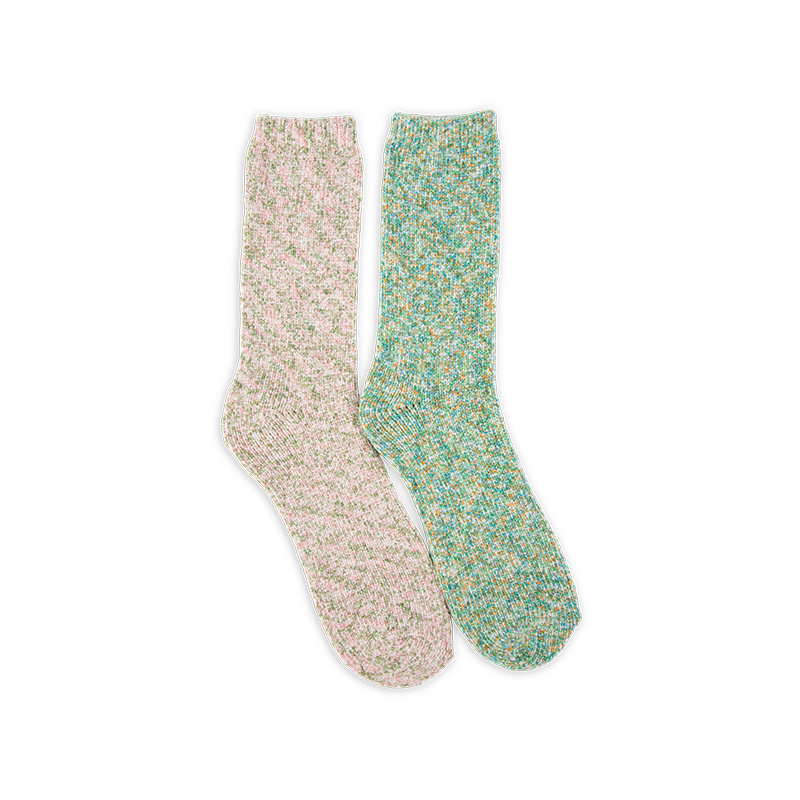
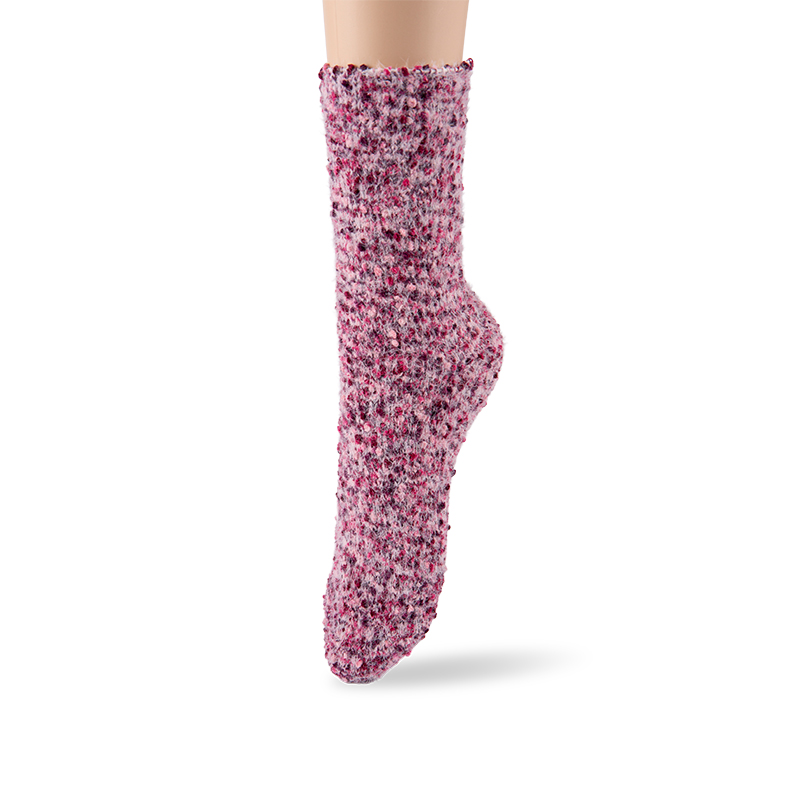
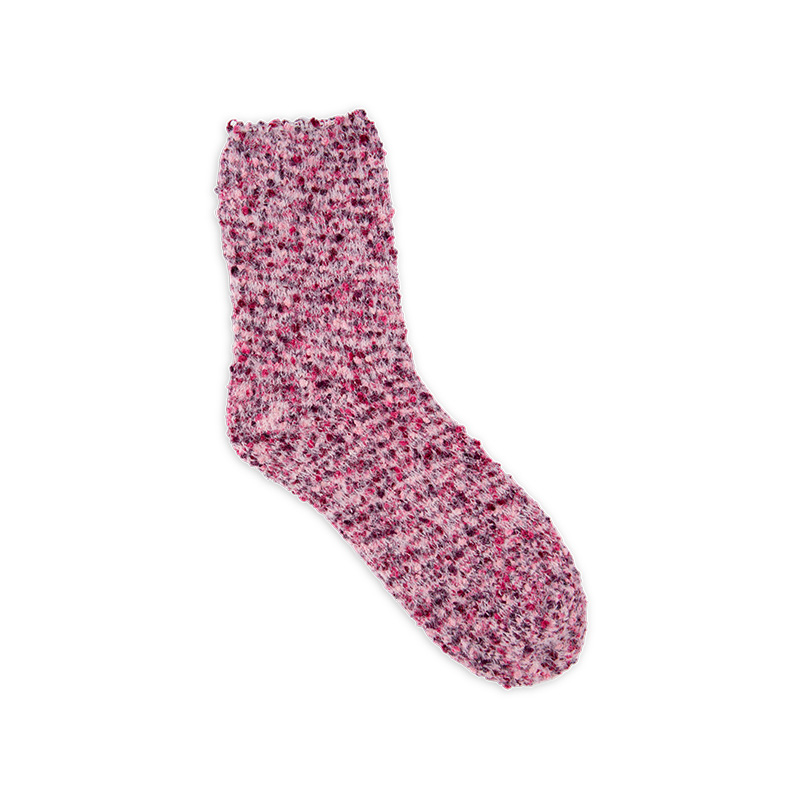
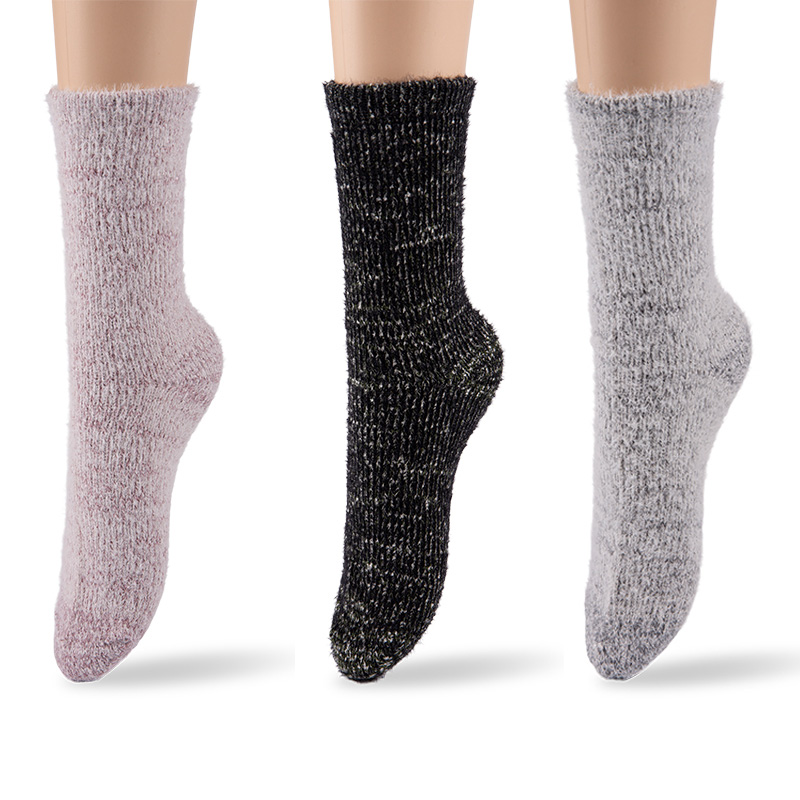
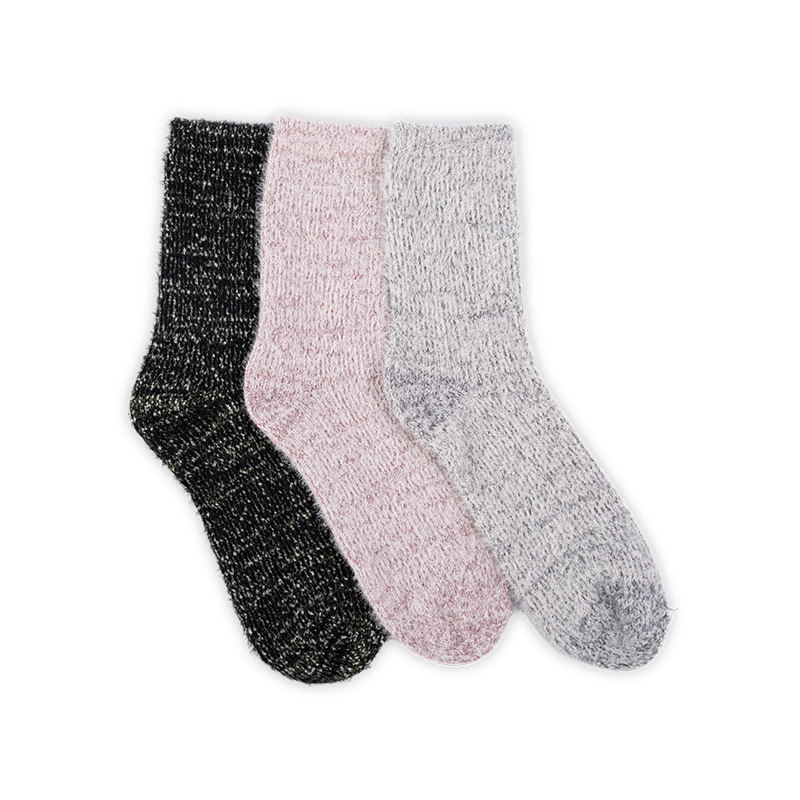
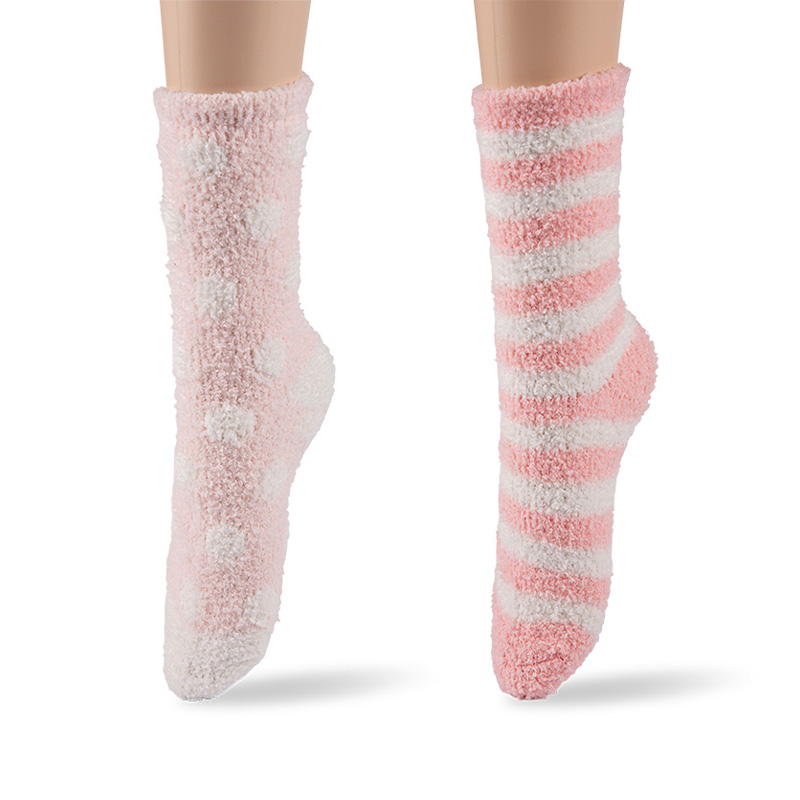
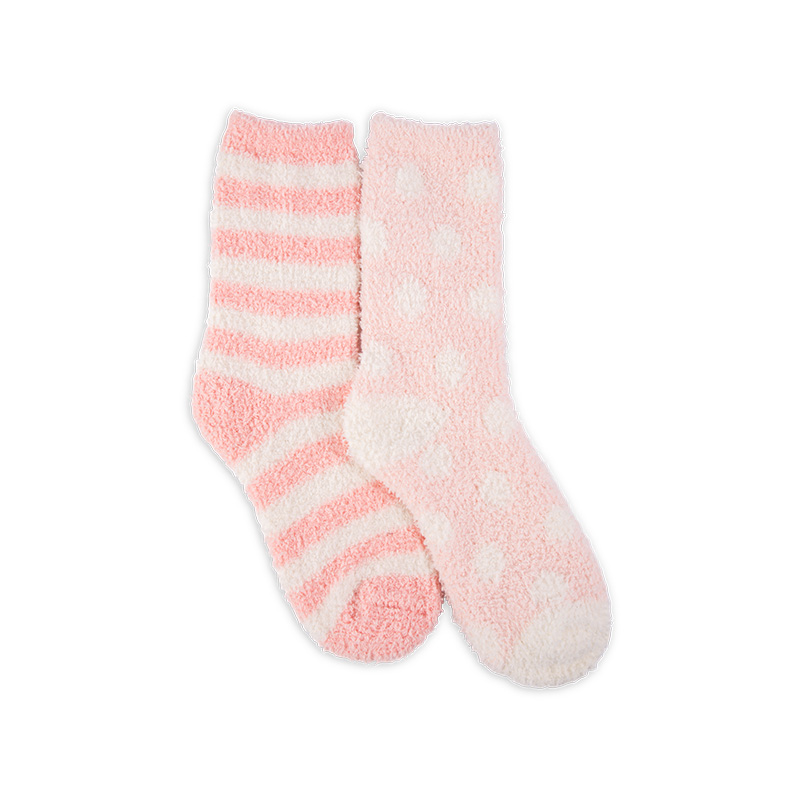
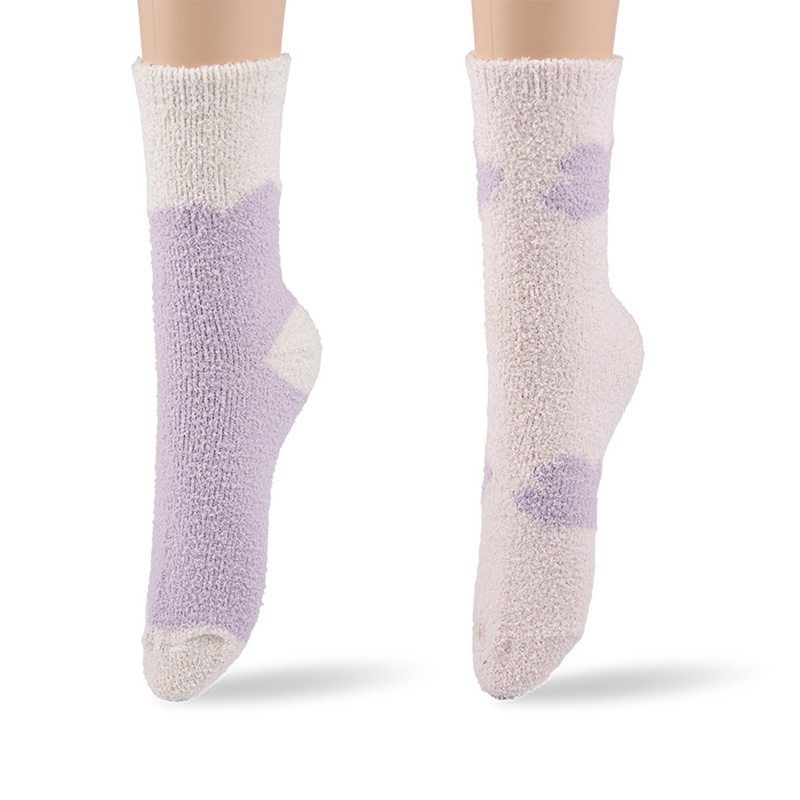
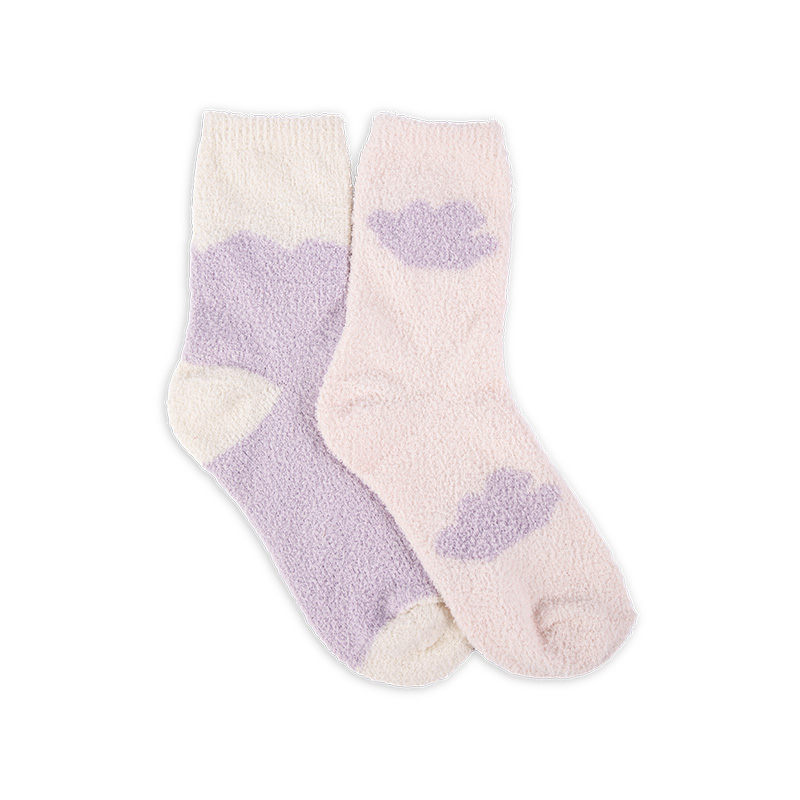
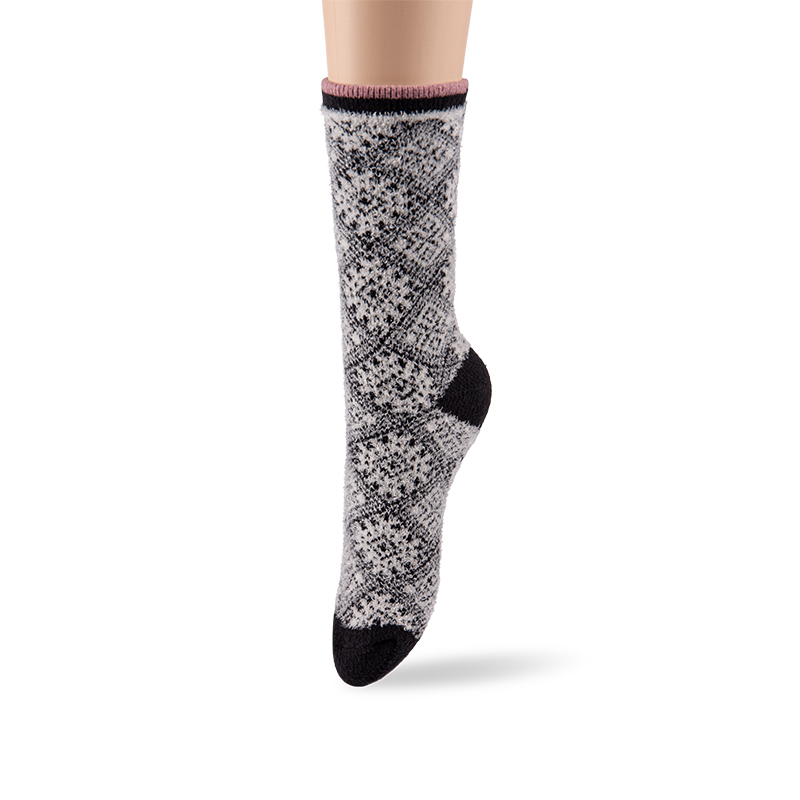
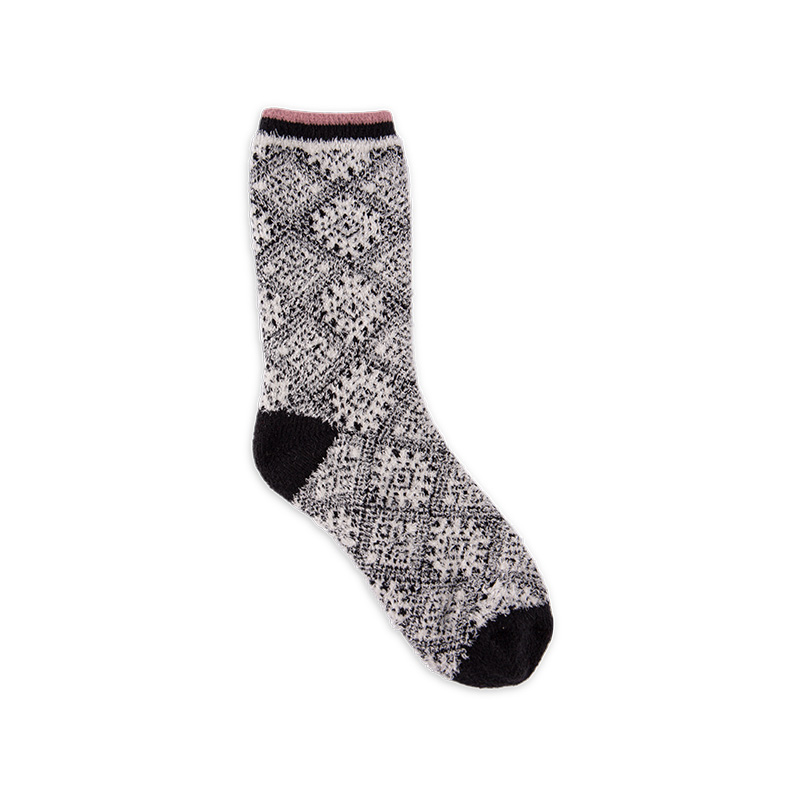
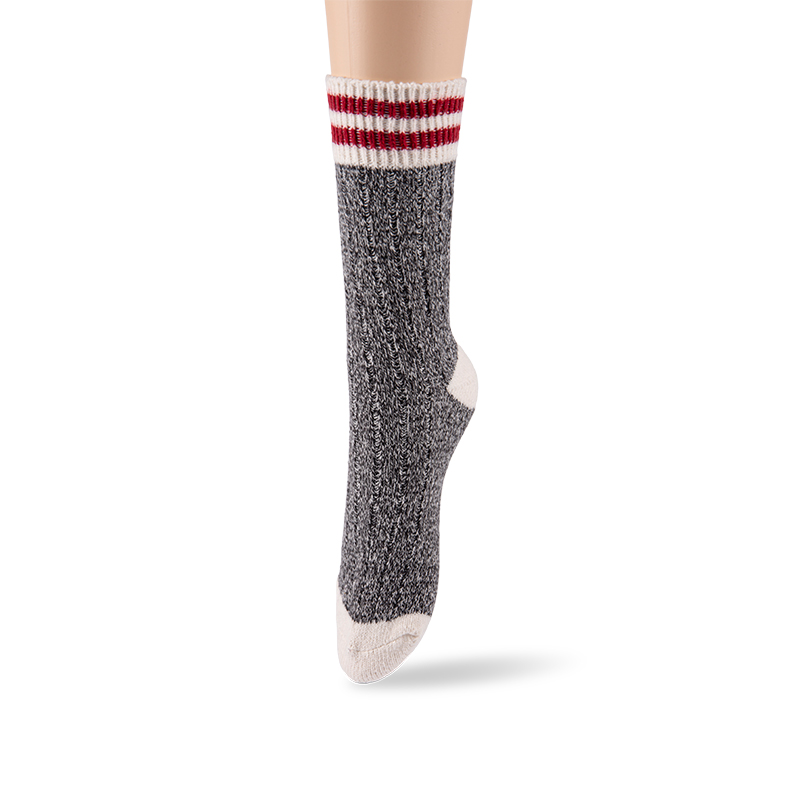
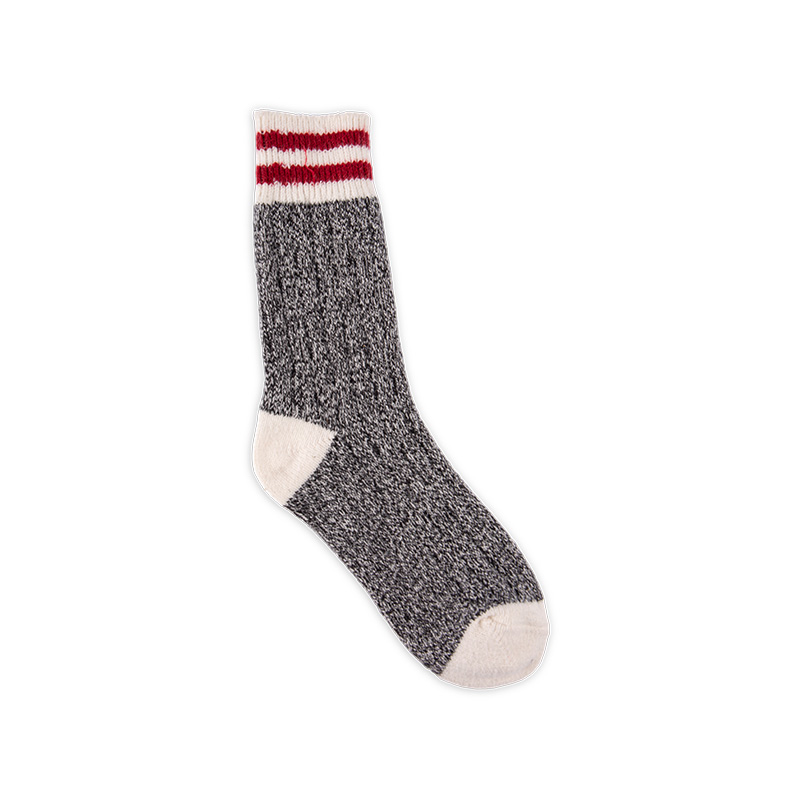
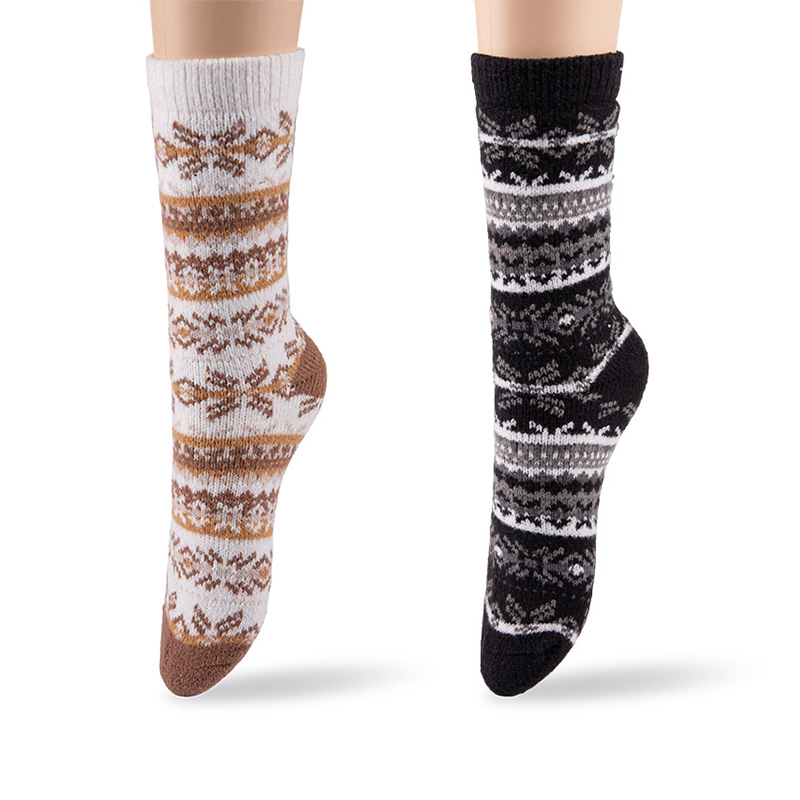
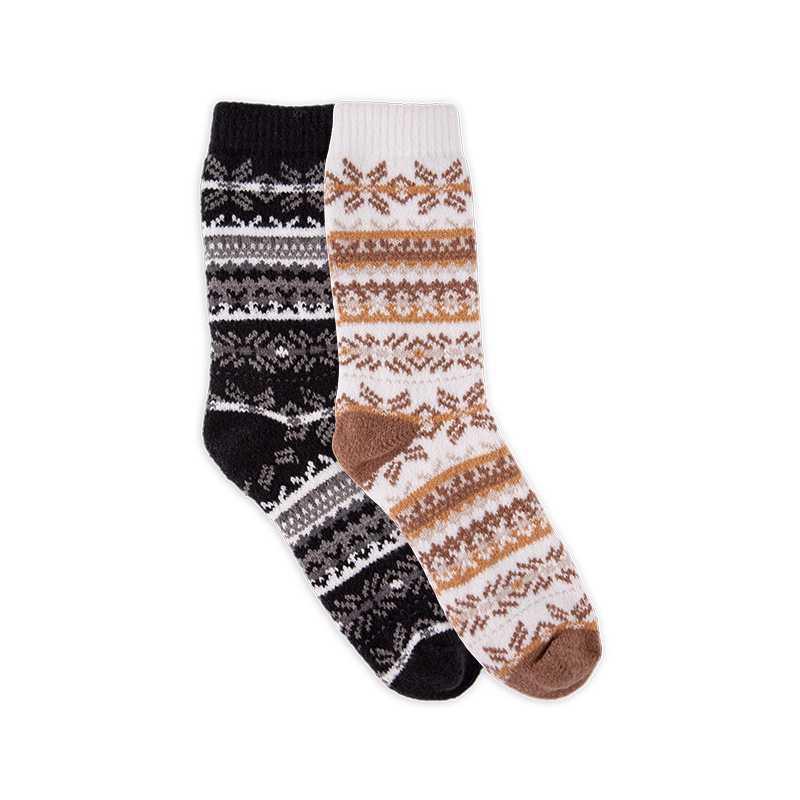
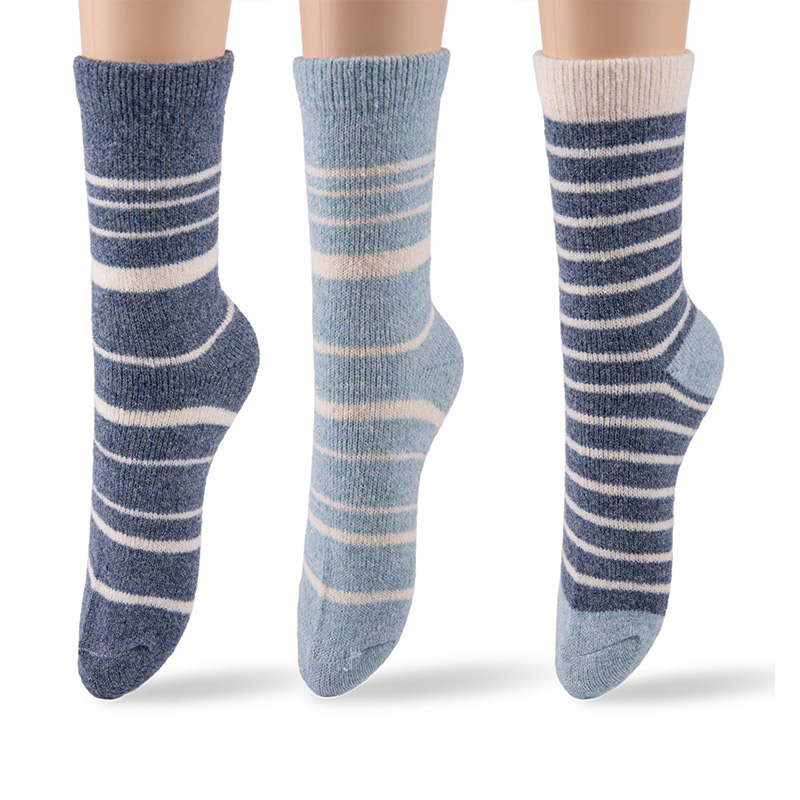
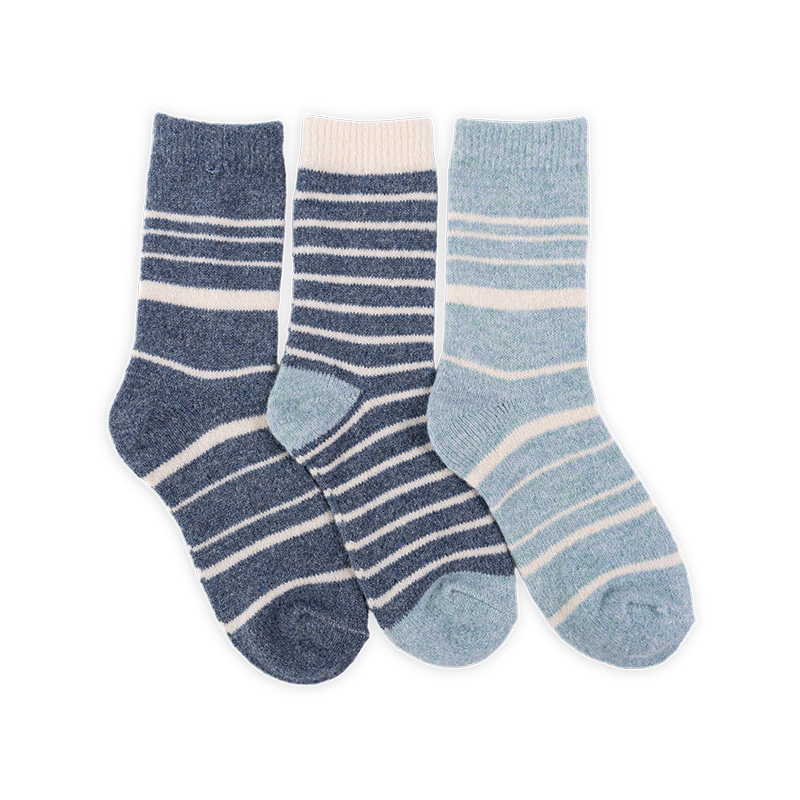
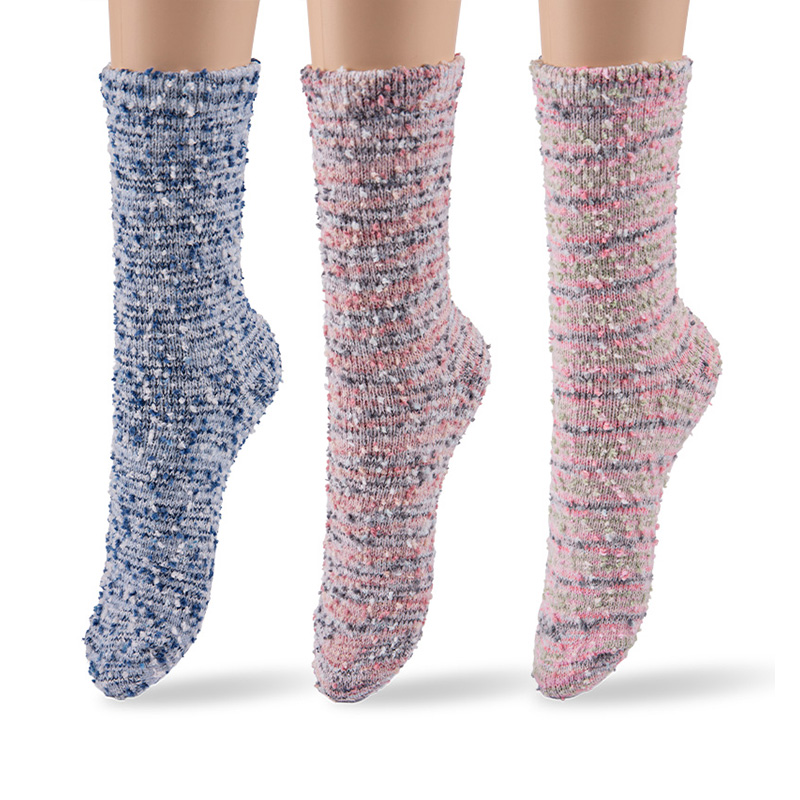
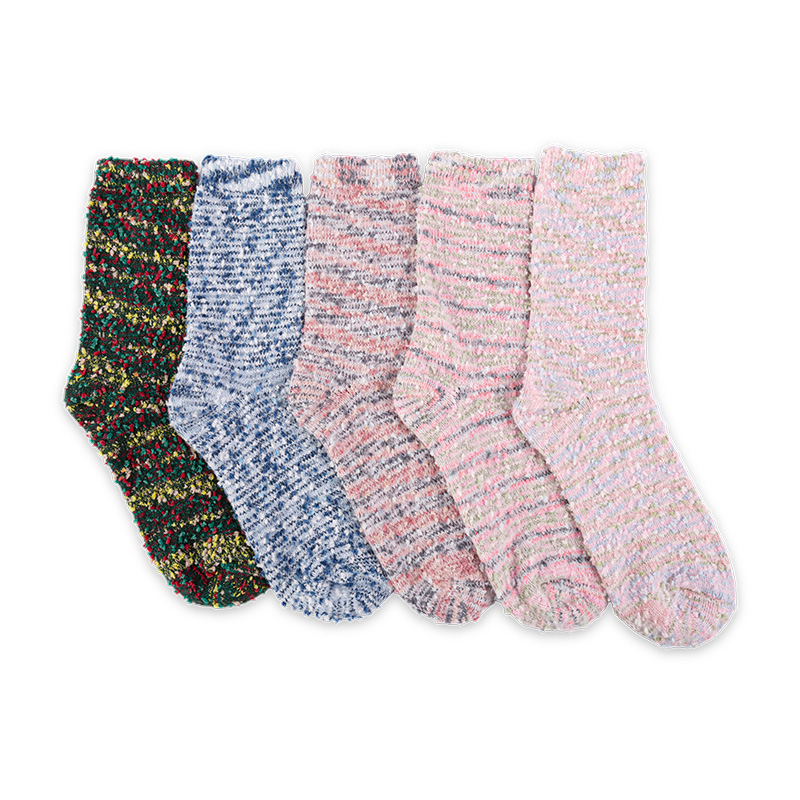

Engineering the Perfect Fit for Boots
Women's boot socks are distinct from standard crew or ankle socks due to the specific architectural challenges posed by footwear such as knee-high boots, Chelsea boots, and heavy winter hiking boots. The primary engineering consideration is the shaft height and circumference consistency. Unlike sneakers, which have flexible uppers, boots often have rigid structures that can cause bunching if the sock is too long or sliding if it is too short. High-quality boot socks are designed with a graduated compression structure that ensures the sock stays upright without cutting off circulation, a critical factor for all-day wear.
At Jiangsu Ruizhi Knitwear Co., Ltd., we leverage our R&D capabilities to address these fit issues through precise knitting tension controls. Established in 2023, our modern manufacturing facility integrates design and production to create socks that conform to the unique contours of the calf and ankle. Our team, combining experienced industry professionals with energetic young talents, focuses on creating seamless transitions between the foot and leg portions of the sock. This attention to detail ensures that when customers wear our products, they experience no friction points inside their boots, delivering the warmth and comfort we are dedicated to providing worldwide.
Key Structural Elements
- Reinforced Heel and Toe: Boot socks undergo higher abrasion levels due to the tight fit of footwear. Double-layer knitting or high-tenacity nylon blends in these zones prevent holes and extend the product lifecycle.
- Arch Support Bands: Elasticated arch bands provide a snug fit that prevents the sock from slipping down into the boot, a common annoyance that can lead to blisters and discomfort during walking.
- Seamless Toe Closure: Flat-linked toes eliminate bulk and rubbing against the toenails, which is particularly important in the confined space of a boot toe box.
- Cuff Elasticity Balance: The top cuff must be tight enough to stay up but loose enough to avoid leaving marks on the skin, requiring precise elastane integration during the knitting process.
Material Science for Thermal Regulation
The choice of material in women's boot socks is critical for thermal regulation and moisture management. Boots, especially those made of leather or synthetic waterproof materials, often have limited breathability. This creates a microclimate around the foot where heat and moisture can build up rapidly. Effective boot socks must therefore wick moisture away from the skin while retaining insulating properties. Merino wool remains a gold standard for this application due to its natural ability to absorb moisture vapor without feeling wet, but modern synthetic blends offer compelling alternatives for specific use cases.
Located in the Yangtze River Delta with convenient traffic transportation, our factory covers 5,000 square meters and produces 10 million pairs annually. This scale allows us to source premium fibers and experiment with advanced blends. We believe that through reliable quality and continuous innovation, we can offer solutions that cater to diverse climate needs. Whether it is a lightweight cotton-blend for fashion boots in mild weather or a thick thermal acrylic blend for snow boots, our production processes ensure consistent yarn quality and dye stability, providing positive value to customers worldwide.
| Fiber Type | Moisture Wicking | Insulation | Durability | Best For |
| Merino Wool | Excellent | High | Moderate | Cold weather, hiking, odor control |
| Acrylic Blend | Good | High | High | Budget-friendly, everyday wear |
| Cotton/Spandex | Low | Low | Moderate | Fashion boots, mild climates |
| Bamboo Viscose | Very Good | Moderate | Low | Sensitive skin, softness priority |
| Polyester/Nylon | Excellent | Low | Very High | Athletic boots, high sweat activities |
Style Versatility and Fashion Integration
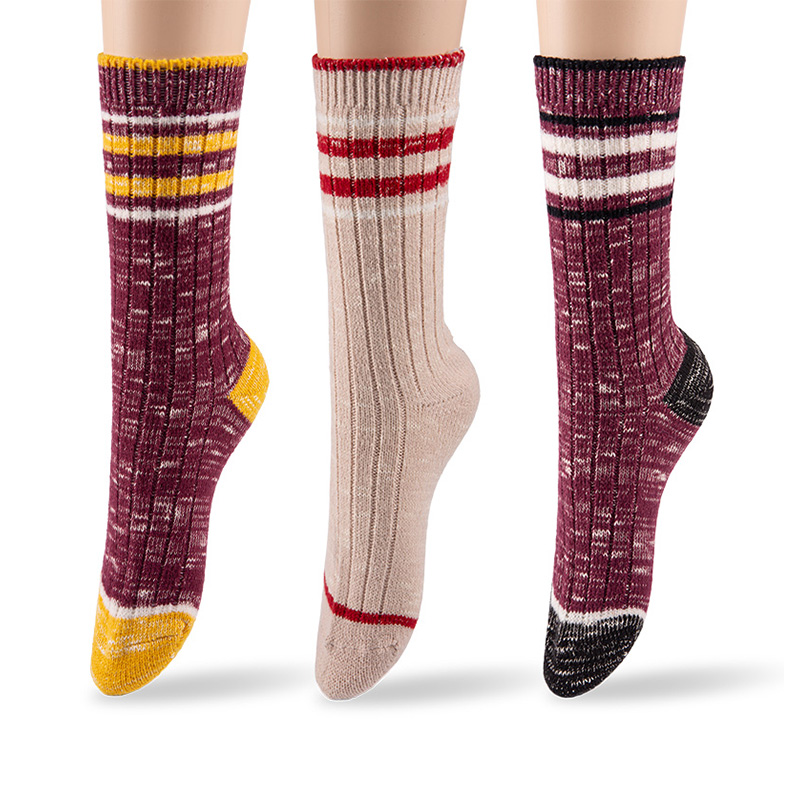
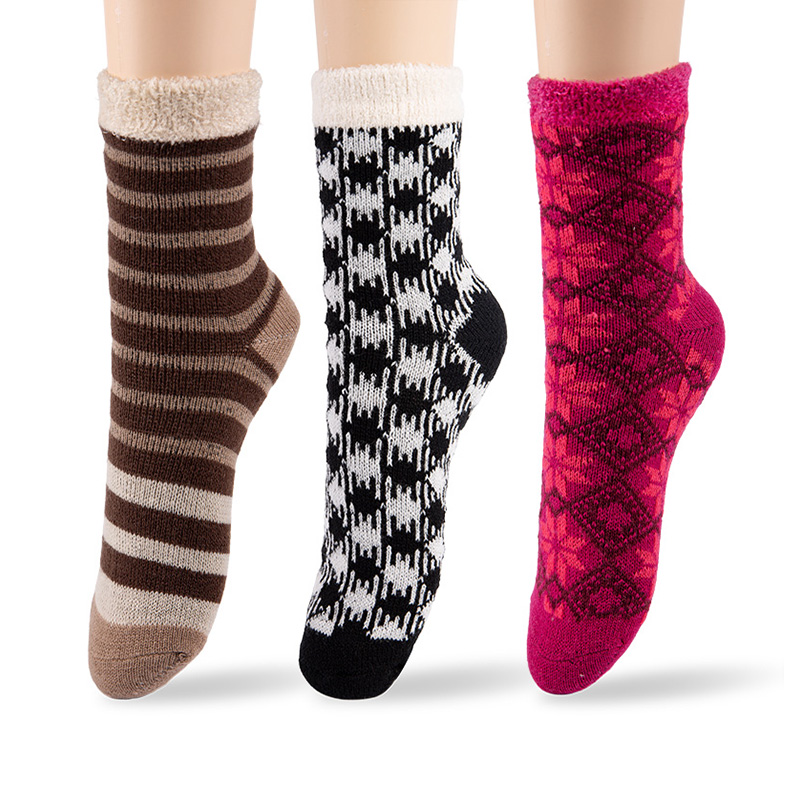
Beyond functionality, women's boot socks have become a significant fashion statement. The trend of "sock peeking" over the top of ankle boots or pairing patterned socks with open-toe booties has elevated the aesthetic importance of these garments. Designers now focus on intricate cable knits, fair isle patterns, and ribbed textures that complement the visual weight of the boot. Color coordination is also crucial, with neutral tones offering versatility for professional settings and vibrant hues allowing for personal expression in casual contexts.
Our design team at Jiangsu Ruizhi Knitwear Co., Ltd. understands that modern consumers seek products that merge utility with style. We integrate contemporary design trends into our production lines, ensuring that our boot socks are not only warm and comfortable but also visually appealing. By respecting craftsmanship and quality, we create products that enhance the overall outfit rather than just serving as a hidden layer. This holistic approach to design and manufacturing reflects our unwavering pursuit of dreams and our commitment to earning long-term partnerships through excellent service and competitive pricing.
Design Trends in Boot Socks
- Cable Knit Textures: Classic cable patterns add volume and visual interest, making them ideal for slouchy boots or folded-over styles that highlight the knit structure.
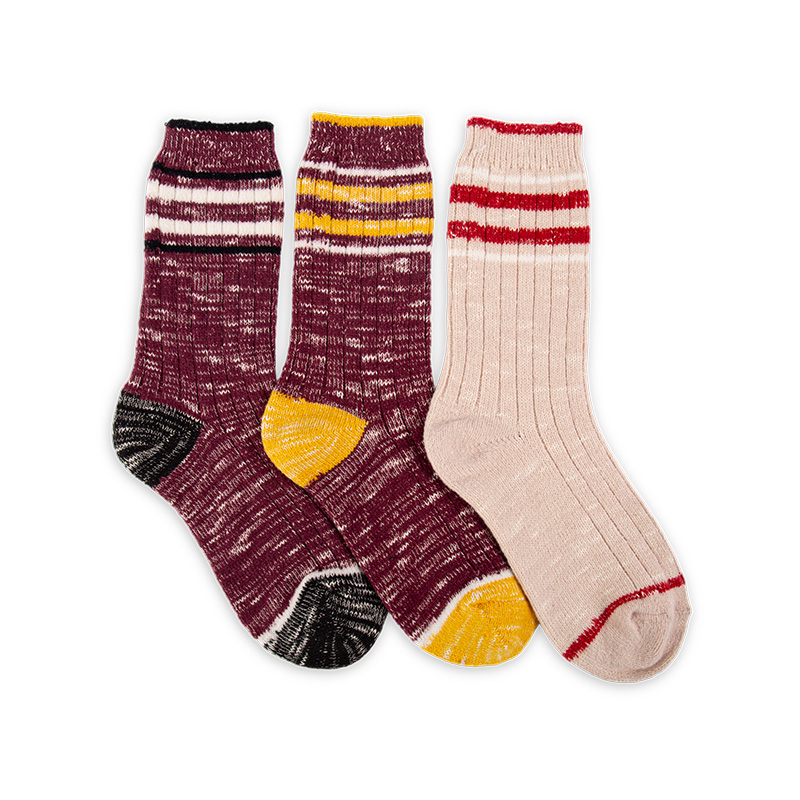
- Ribbed Cuffs: Wide ribbed cuffs provide a secure fit while adding a sporty or preppy aesthetic, often used in contrast colors to create a pop of visual detail above the boot line.
- Minimalist Solids: Solid colors in matte finishes offer a sleek, modern look that pairs well with leather boots, emphasizing clean lines and sophisticated simplicity.
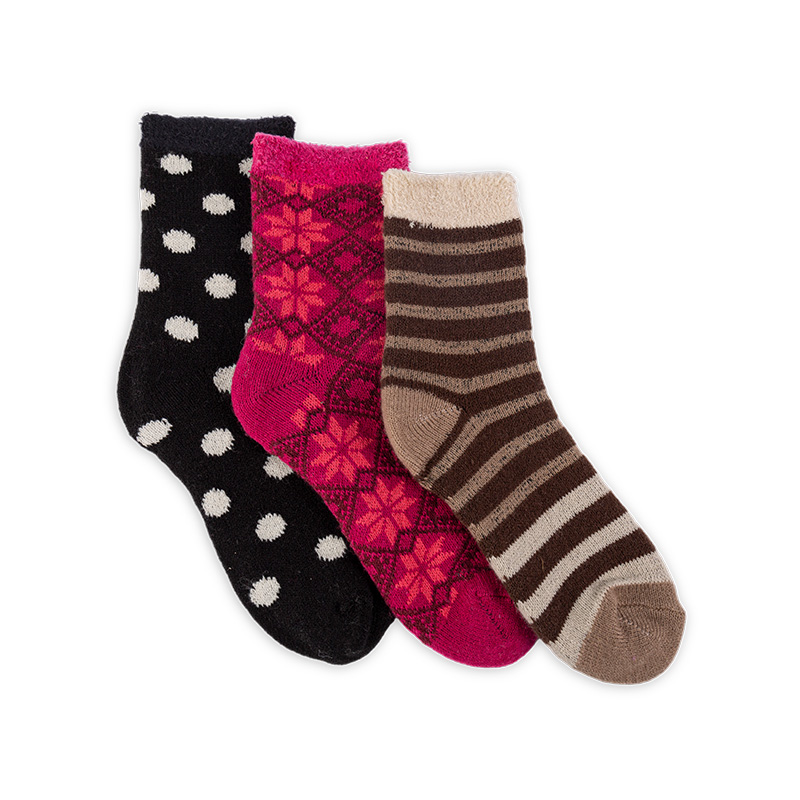
- Patterned Accents: Subtle patterns such as herringbone or small geometric shapes provide texture without overwhelming the outfit, suitable for both casual and business-casual environments.
Care and Maintenance for Longevity
Proper care is essential to maintain the performance and appearance of women's boot socks. Due to the complex blends of fibers often used, including elastane for stretch and wool for warmth, incorrect washing methods can lead to shrinkage, loss of elasticity, or pilling. It is recommended to wash boot socks in cold water on a gentle cycle to preserve the integrity of the fibers. Avoiding high heat in dryers is crucial, as excessive heat can damage elastic components and cause synthetic fibers to melt or deform, reducing the sock's ability to stay up within the boot.
At Jiangsu Ruizhi Knitwear Co., Ltd., we design our products with durability in mind, but we also educate our partners and customers on best practices for garment care. Our annual output of 10 million pairs is supported by rigorous quality control tests that simulate repeated washing to ensure our socks withstand real-world use. By combining reliable quality with practical advice, we aim to deliver positive value to customers worldwide, ensuring that each pair of boot socks remains a trusted part of their wardrobe for seasons to come.
 +86-15995363302
 No.58, Xiaowuxiang Rd, Yunting Town, Jiangyin City, Jiangsu, China.