
 EN
EN
 English
  中文简体
中文简体  русский


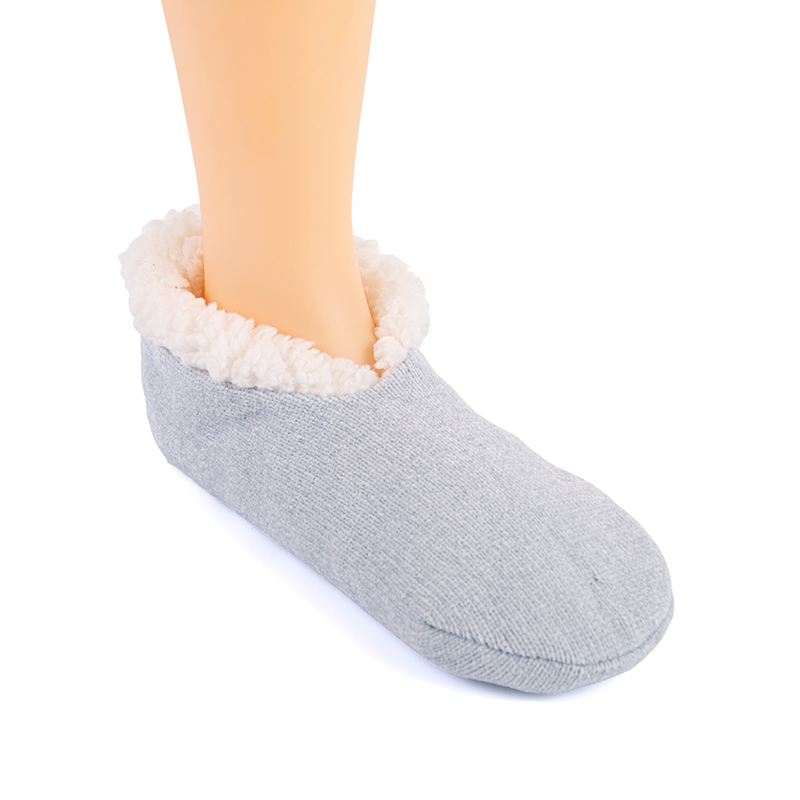
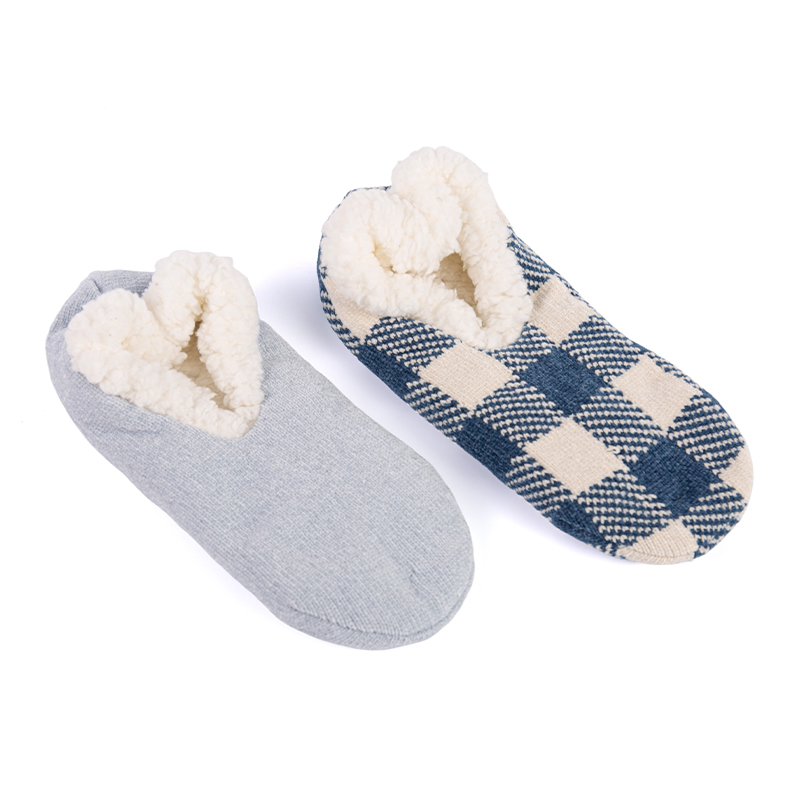
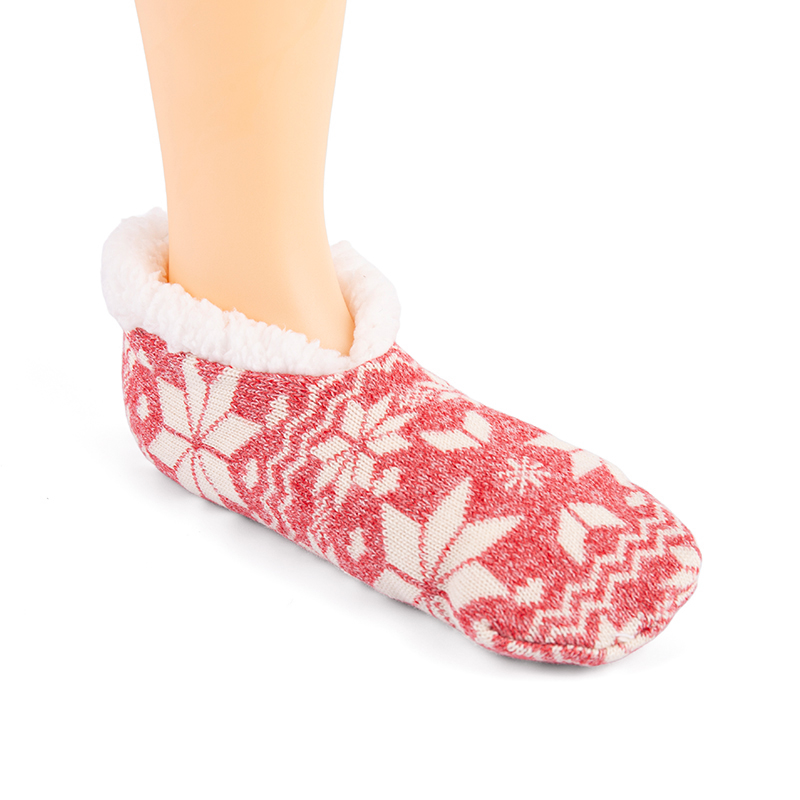
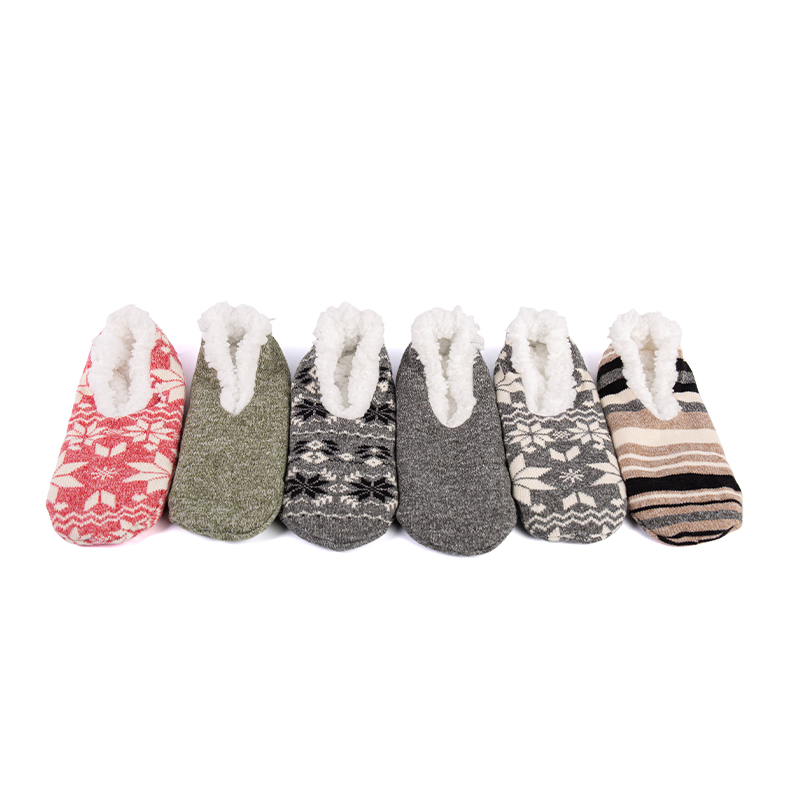
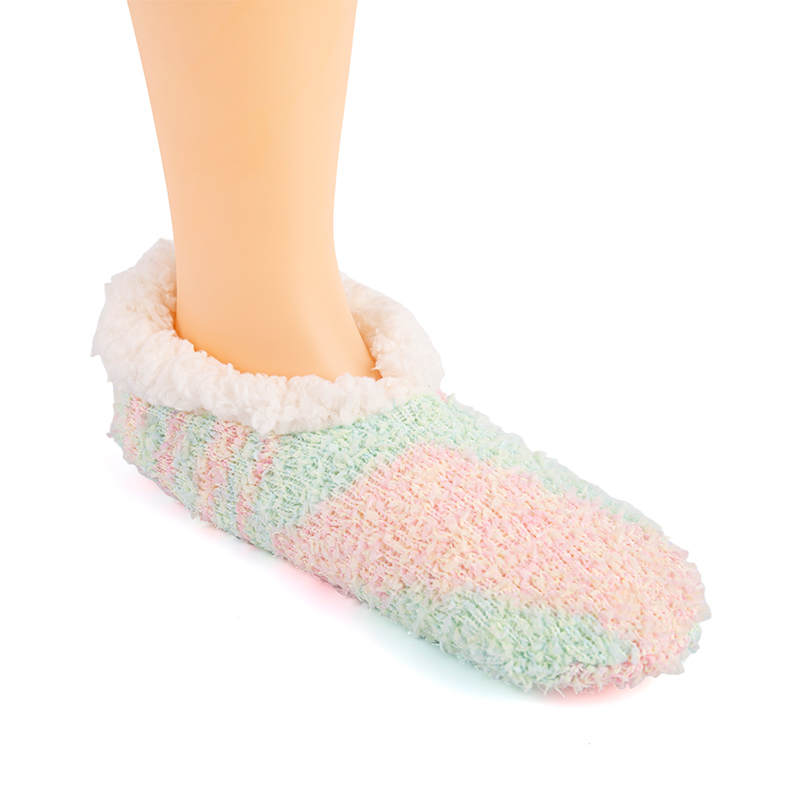
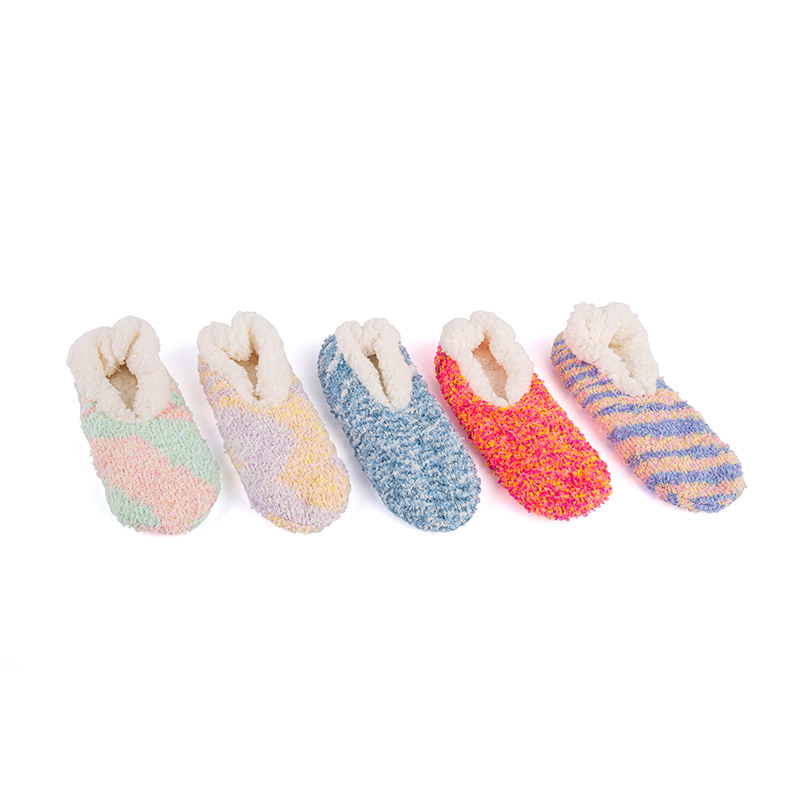
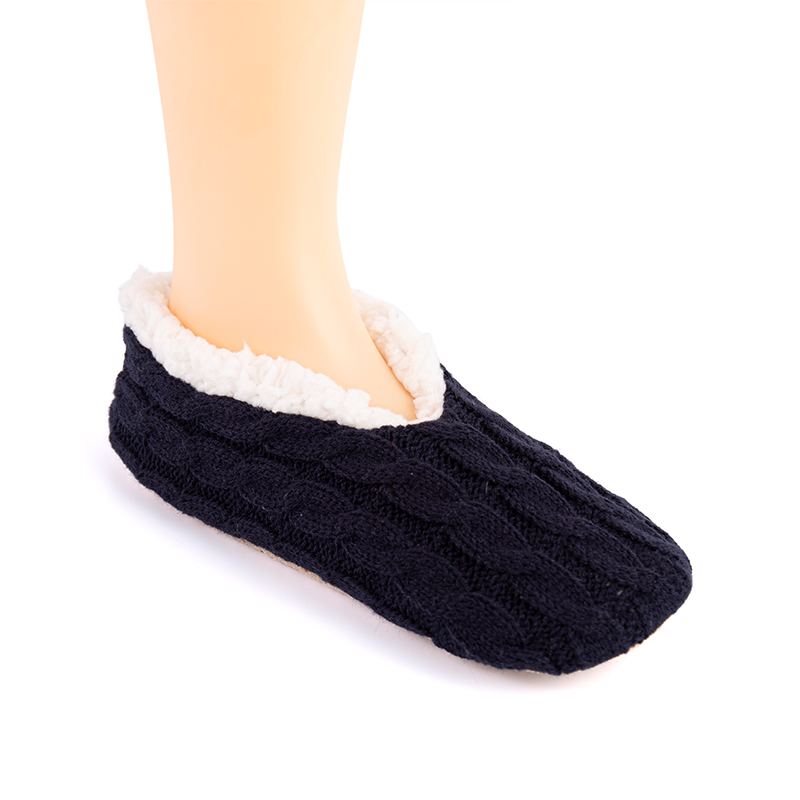
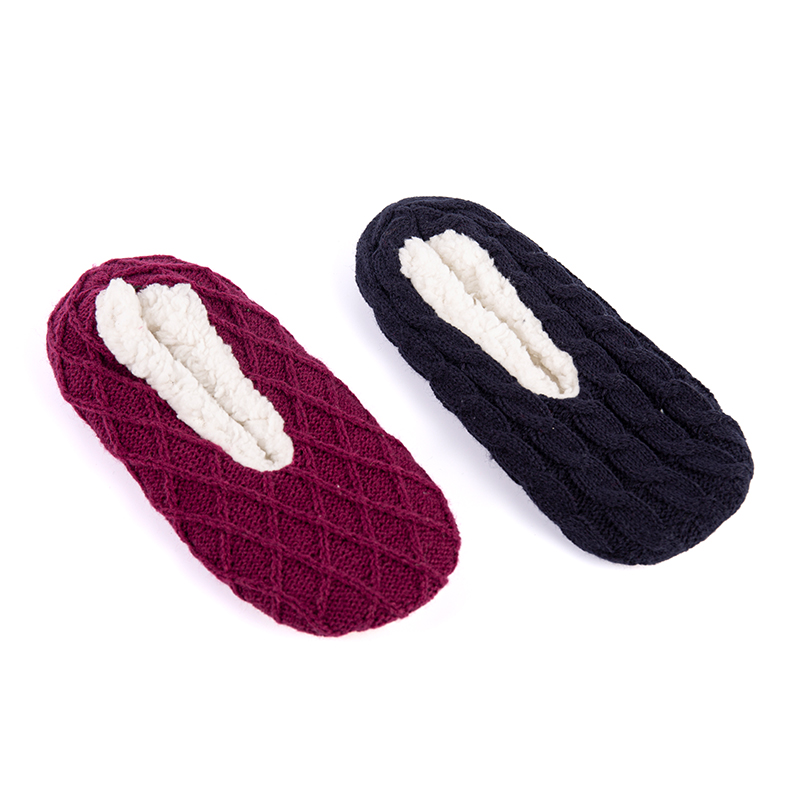
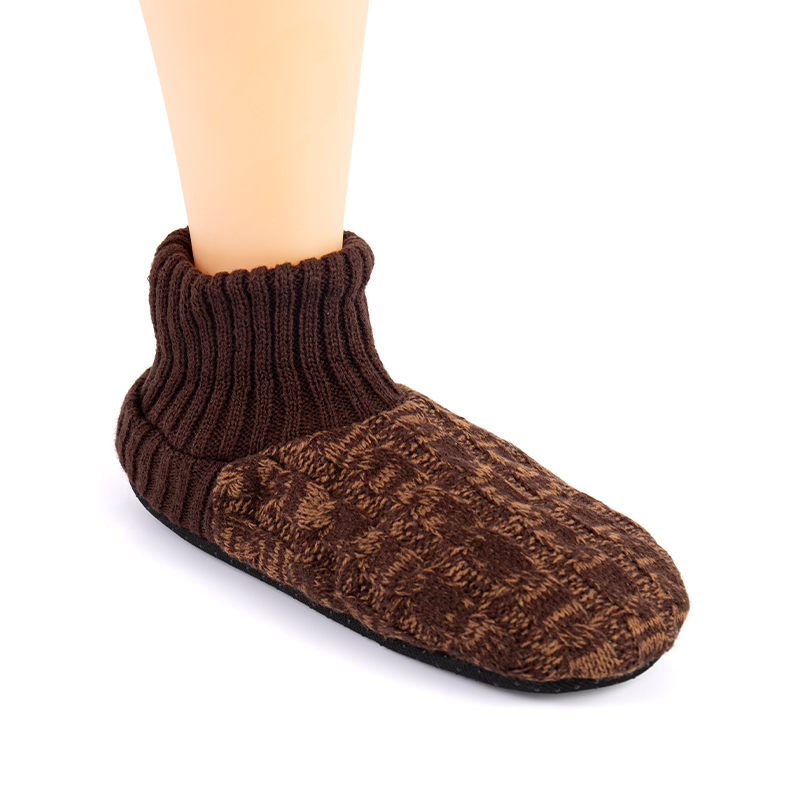
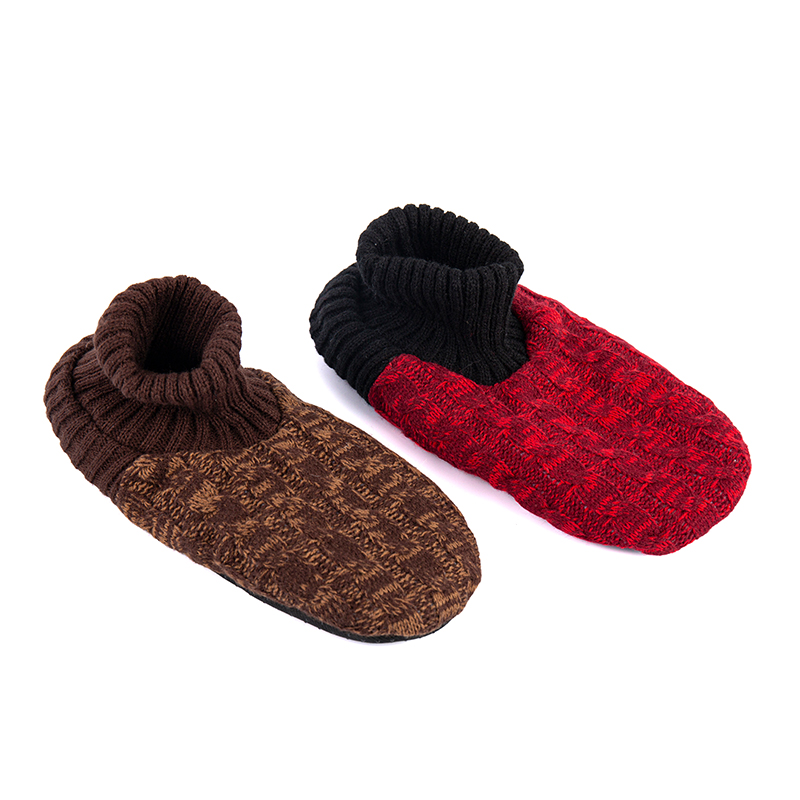

Structural Engineering of Knit Slippers
Knit slippers represent a sophisticated evolution in indoor footwear, merging the conforming comfort of hosiery with the structural integrity of traditional slippers. Unlike standard socks, which rely entirely on the shoe for support, knit slippers must maintain their shape while providing adequate arch support and heel stability. This is achieved through advanced knitting techniques that vary stitch density across different zones of the foot. High-tension knitting in the heel and toe areas provides durability against wear, while looser, plush knits on the instep offer cushioning and breathability. The integration of elastic fibers such as spandex is critical to ensure the slipper hugs the foot without slipping off during movement.
At Jiangsu Ruizhi Knitwear Co., Ltd., we leverage our expertise in modern sock manufacturing to engineer knit slippers that exceed traditional comfort standards. Established in 2023, our company integrates design, R&D, production, and sales to create innovative footwear solutions. Our team, combining experienced industry professionals with energetic young talents, focuses on precise tension control and material selection to produce slippers that deliver warmth and positive value. Located in the Yangtze River Delta with convenient traffic transportation, our factory covers 5,000 square meters with an annual output of 10 million pairs. This scale allows us to implement rigorous quality assurance protocols, ensuring every pair meets our high standards for craftsmanship and durability.
Key Structural Components
- Reinforced Heel Counter: A denser knit structure or internal stabilizer in the heel area prevents the slipper from collapsing, providing essential support and maintaining the garment's shape over time.
- Arch Support Banding: Integrated elastic bands or tighter knit patterns along the arch provide gentle compression, reducing foot fatigue and preventing the slipper from sliding forward during walking.
- Seamless Toe Construction: Flat-linking technology eliminates bulky seams that can cause irritation, ensuring a smooth interior surface that enhances comfort for sensitive feet.
- Ankle Collar Stability: Ribbed or reinforced ankle cuffs keep the slipper securely in place without constricting circulation, balancing security with ease of entry and exit.
Sole Technology and Traction Systems
The sole of a knit slipper is its most critical functional component, bridging the gap between soft textile comfort and hard-floor safety. Traditional knit soles offer little protection or traction, making them unsuitable for smooth surfaces like hardwood or tile. Modern knit slippers incorporate advanced sole technologies, including suede leather patches, thermoplastic rubber (TPR) grips, or full synthetic rubber outsoles. These materials are chosen for their durability, flexibility, and ability to provide reliable traction. The application method is equally important; heat-pressing or high-strength adhesives ensure that the sole remains bonded to the knit upper through repeated flexing and washing cycles.
We believe that through continuous innovation and reliable quality, Jiangsu Ruizhi Knitwear Co., Ltd. can lead in the development of safe and durable knit slippers. Our R&D team experiments with various sole configurations to optimize grip patterns and material thickness. For instance, silicone dot patterns offer excellent traction on wet surfaces, while suede patches provide a quiet, smooth glide on carpets. By focusing on constructive improvements in sole technology, we aim to provide products that enhance user safety and longevity. This commitment to excellence helps us earn the trust and long-term partnership of clients who prioritize both performance and reliability.
| Sole Type | Traction Level | Durability | Flexibility | Best Use Case |
| Suede Leather Patch | Moderate | High | High | Indoor carpet and hardwood |
| Silicone Grip Dots | High | Moderate | Very High | Smooth floors, elderly care |
| TPR Rubber Outsole | Very High | Very High | Moderate | Mixed indoor/outdoor use |
| Knitted Only | Low | Low | Very High | Bedroom use, bed rest |
Material Selection for Thermal Efficiency
The choice of yarn in knit slippers significantly impacts their thermal efficiency, moisture management, and tactile comfort. Natural fibers like merino wool and alpaca offer superior insulation and breathability, making them ideal for cold climates. However, they require careful handling to prevent shrinkage. Synthetic fibers such as acrylic and polyester provide durability, easy care, and consistent performance, often mimicking the softness of natural wool at a lower cost. Blends that combine natural and synthetic fibers offer a balanced solution, leveraging the warmth of wool with the resilience of synthetics.
Our team at Jiangsu Ruizhi Knitwear Co., Ltd. is dedicated to selecting materials that deliver optimal comfort and value. We understand that different markets have different preferences, which is why we offer a diverse range of material options. By respecting craftsmanship and quality, we ensure that each slipper not only feels luxurious but also performs well in real-world conditions. Our unwavering pursuit of dreams drives us to explore sustainable fiber options, such as recycled polyester and organic cotton, aligning our products with global environmental standards. This approach helps us build long-term partnerships with eco-conscious brands and consumers.
Fiber Performance Comparison
- Merino Wool: Offers exceptional temperature regulation and odor resistance, ideal for premium knit slippers designed for all-day wear.
- Acrylic: Provides a soft, wool-like feel with high durability and machine-washability, making it a popular choice for mass-market products.
- Bamboo Viscose: Known for its silky texture and natural antibacterial properties, suitable for individuals with sensitive skin or allergies.
- Polyester Fleece Lining: Adds an extra layer of warmth and plushness, often used in winter-specific knit slippers for maximum insulation.
Care and Maintenance Guidelines
Proper care is essential to extend the lifespan of knit slippers, particularly those with specialized soles and natural fiber contents. Machine washing should be done on a gentle cycle with cold water to prevent shrinkage and damage to elastic components. It is advisable to place slippers in a mesh laundry bag to protect them from abrasion with other garments. Avoid using bleach or fabric softeners, as these can degrade the fibers and reduce the effectiveness of moisture-wicking treatments. Air drying is preferred over tumble drying, as high heat can warp rubber soles and shrink natural fibers.
At Jiangsu Ruizhi Knitwear Co., Ltd., we believe that providing comprehensive care instructions is part of delivering positive value to our customers. By educating users on best practices, we help ensure that our products remain comfortable and functional for as long as possible. This commitment to customer satisfaction reflects our dedication to quality and service. Through reliable quality, competitive pricing, and excellent service, we aim to earn your trust and foster long-term partnerships, supporting your success in the global marketplace.
 +86-15995363302
 No.58, Xiaowuxiang Rd, Yunting Town, Jiangyin City, Jiangsu, China.