
 EN
EN
 English
  中文简体
中文简体  русский


Women's Boot Socks: The Ultimate Guide to Comfort & Style
Content
The Essential Role of Quality Boot Socks
Women's boot socks are far more than a simple accessory; they are a critical component of foot health and overall comfort when wearing boots. The right pair prevents blisters, regulates temperature, and enhances the fit of your footwear. Unlike standard ankle socks, boot socks are engineered with specific heights, cushioning, and moisture-wicking properties to address the unique challenges posed by taller footwear. Investing in high-quality boot socks transforms the experience of wearing everything from rugged hiking boots to fashionable knee-high styles, ensuring that style never comes at the expense of comfort.
Key Features That Define Superior Boot Socks
Not all socks are created equal, especially when it comes to pairing them with boots. Several distinct features separate premium boot socks from ordinary ones. Understanding these elements helps in making an informed purchase decision that aligns with specific needs and activities.
Material Composition and Breathability
The fabric blend is the most significant factor in performance. Merino wool remains the gold standard for temperature regulation and odor resistance, often blended with synthetic fibers like nylon or spandex for durability and stretch. Cotton, while soft, tends to retain moisture and can lead to cold feet and blisters during extended wear. For athletic or outdoor use, look for blends containing at least 50% merino wool or specialized synthetic moisture-wicking fabrics.
Cushioning and Support Zones
Strategic cushioning protects high-impact areas such as the heel, toe, and ball of the foot. Many top-tier boot socks feature targeted padding in these zones while maintaining a thinner profile around the arch and ankle to prevent bulkiness inside the boot. Arch compression bands provide additional support and help keep the sock in place, reducing slippage and friction that can cause discomfort during long periods of standing or walking.
Choosing the Right Height and Fit
The height of the sock should correspond directly to the height of the boot. Wearing a sock that is too short can result in chafing where the boot shaft rubs against bare skin, while a sock that is too long may bunch up uncomfortably.
| Boot Type | Recommended Sock Height | Primary Benefit |
|---|---|---|
| Ankle Boots | Quarter or Crew | Prevents rubbing at the ankle bone |
| Mid-Calf Boots | Crew or Mid-Calf | Full coverage and warmth |
| Knee-High Boots | Over-the-Calf | Eliminates gap and ensures smooth fit |
| Hiking/Work Boots | Crew or Mid-Calf | Protection from debris and enhanced cushioning |
A proper fit is snug but not restrictive. Socks that are too tight can impede circulation, while those that are too loose will wrinkle and cause pressure points. Always refer to the manufacturer’s sizing chart, which typically correlates with shoe size ranges.
Seasonal Considerations and Activity-Specific Needs
The ideal boot sock varies depending on the weather and the intended activity. Adapting your sock choice to these factors ensures optimal comfort and performance throughout the year.
Winter Warmth and Insulation
For cold weather, thickness and insulation are paramount. Look for boot socks with a higher wool content or thermal lining. Fleece-lined boot socks can provide up to 30% more warmth than standard wool blends, making them ideal for extreme cold. However, ensure that the added bulk does not make your boots feel too tight, as restricted blood flow can actually make feet colder.
Breathability for Active Use
During physical activities like hiking or working on your feet, moisture management becomes critical. Lightweight or midweight boot socks with mesh ventilation panels help dissipate heat and wick sweat away from the skin. Reducing moisture buildup can lower the risk of blisters by up to 50%, according to podiatric studies. Choose seamless toe closures to further minimize friction points during repetitive motion.
Care and Maintenance for Longevity
Proper care extends the life of women's boot socks and maintains their functional properties. Following specific washing and drying guidelines preserves elasticity, moisture-wicking capabilities, and shape.
- Turn socks inside out before washing to remove dead skin cells and oils more effectively.
- Use cold water and a gentle cycle to prevent shrinking and fiber damage.
- Avoid fabric softeners, as they coat fibers and reduce moisture-wicking efficiency.
- Air dry whenever possible; if using a dryer, select a low heat setting to protect elastic components.
Replacing boot socks every 6–12 months depending on frequency of use ensures consistent performance. Signs that it is time for new socks include thinning fabric, lost elasticity, or persistent odors that do not wash out.
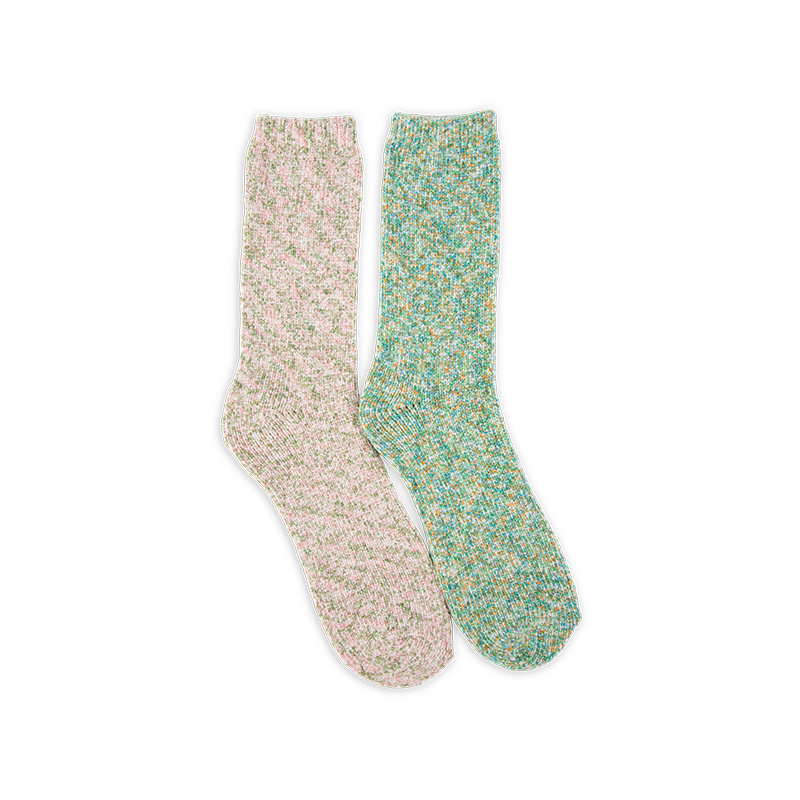
Our Main Products
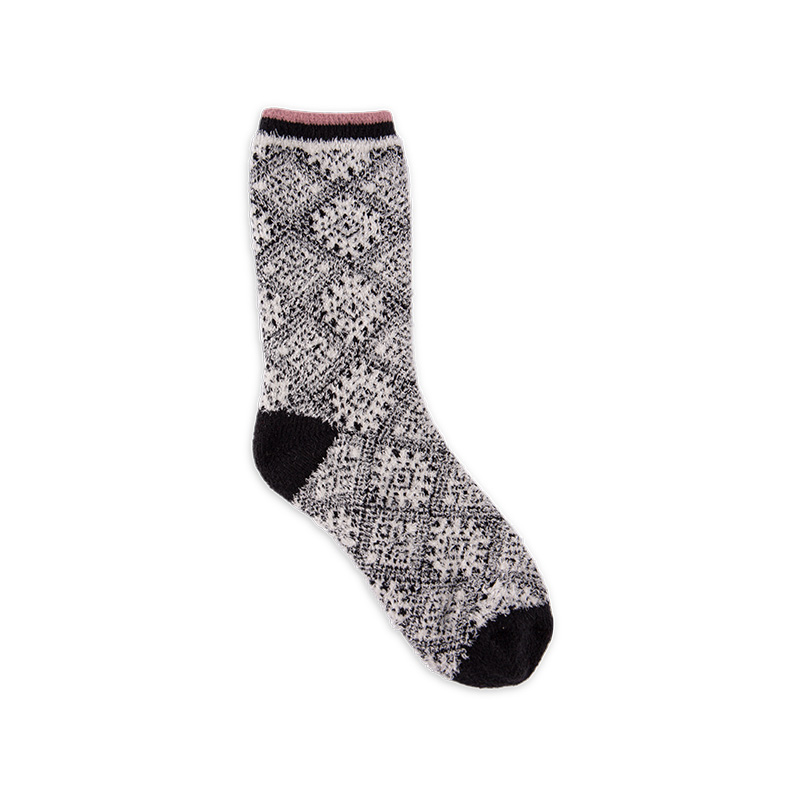
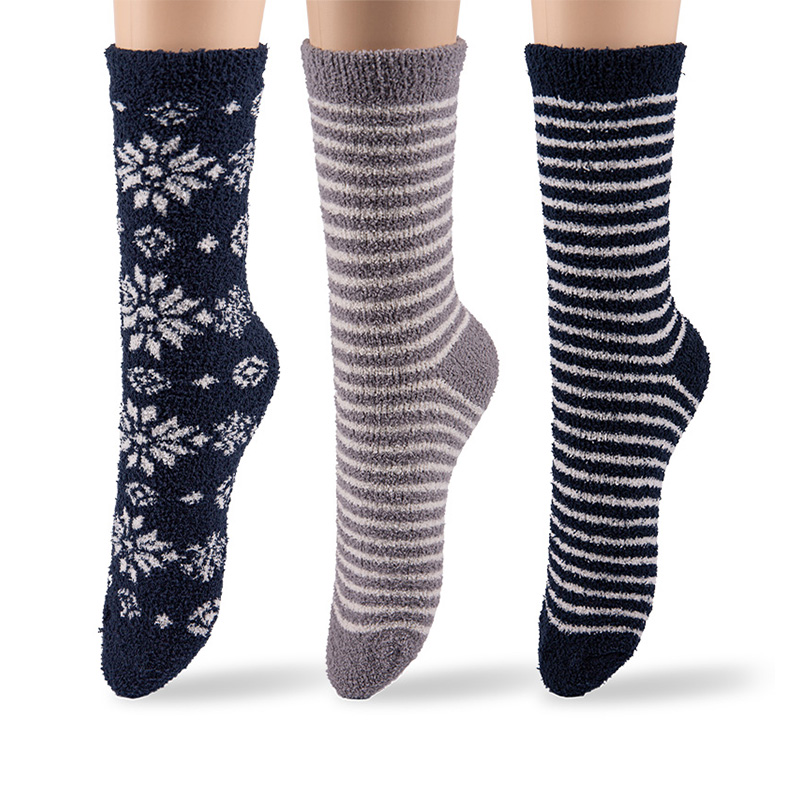
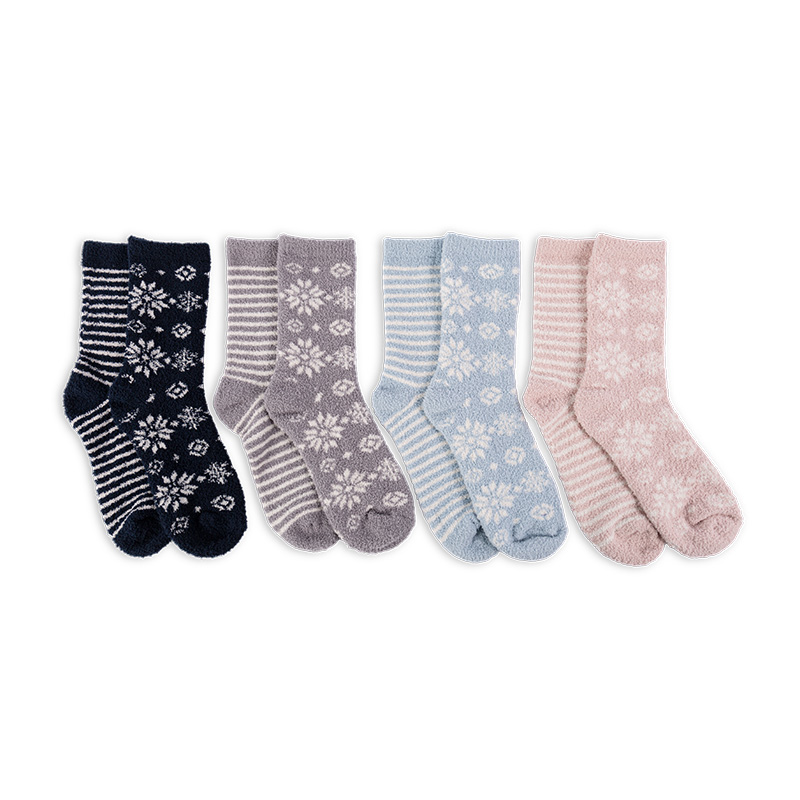
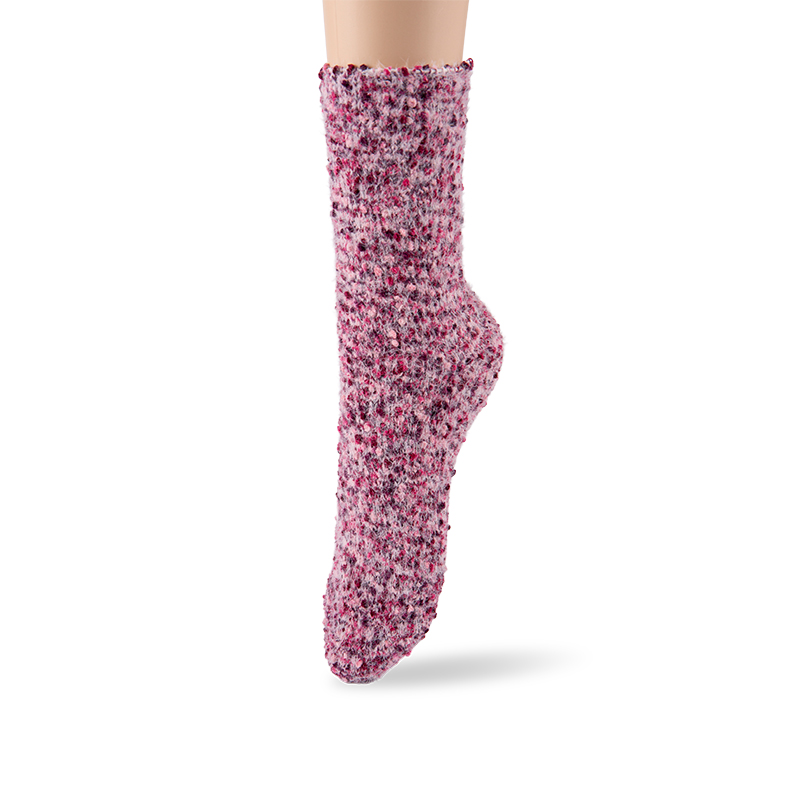
To Contact When You Need Us!
 +86-15995363302
 No.58,Xiaowuxiang Rd,Yunting Town,Jiangyin City,Jiangsu,China.
Copyright @ Jiangsu Ruizhi Knitwear Co., Ltd. All Rights Reserved.
