
 EN
EN
 English
  中文简体
中文简体  русский


Women's Cabin Socks: Cozy Comfort for Cold Evenings
Content
The Ultimate Comfort of Women's Cabin Socks
Women's cabin socks are designed to provide maximum warmth and comfort during relaxed indoor moments. These specialized socks combine plush materials with thoughtful design features to create a cozy experience that transforms cold evenings into comfortable retreats. Unlike regular house socks, cabin socks are engineered with thicker fabrics, enhanced insulation, and non-slip soles to ensure both comfort and safety on various indoor surfaces. The right pair can make a significant difference in how you experience downtime at home, especially during colder months.
Essential Features of Quality Cabin Socks
High-quality women's cabin socks incorporate several key features that distinguish them from ordinary footwear. Understanding these elements helps in selecting pairs that deliver both comfort and durability.
Premium Material Selection
The fabric composition directly impacts warmth and comfort levels. Fleece-lined cotton blends offer superior softness while maintaining breathability, making them ideal for extended wear. Wool blends provide natural temperature regulation and moisture-wicking properties, while synthetic materials like acrylic add durability and shape retention. Many premium cabin socks feature a combination of these materials to optimize performance.
Safety and Functionality Features
Non-slip grips on the sole prevent accidents on smooth surfaces like hardwood or tile floors. Silicone dot patterns or rubberized grips provide up to 80% better traction compared to smooth-soled alternatives. Additionally, reinforced heels and toes extend the lifespan of the socks, while elastic cuffs ensure they stay in place without restricting circulation.
Choosing the Right Style and Fit
Selecting the appropriate style of cabin socks depends on personal preferences, foot size, and intended use. Various options cater to different needs and aesthetic preferences.
| Style Type | Best For | Key Features |
|---|---|---|
| Ankle Length | Mild weather, layering | Lightweight, versatile |
| Crew Length | General indoor use | Balanced warmth and coverage |
| Knee-High | Extra warmth, lounging | Maximum coverage, plush feel |
| Slipper Socks | Hard floors, safety | Enhanced grip soles, structured fit |
Proper fit is crucial for comfort and effectiveness. Socks that are too tight can restrict blood flow, while loose ones may bunch up and cause discomfort. Most manufacturers provide sizing charts based on shoe sizes, and it's advisable to measure your foot length for the most accurate fit.
Seasonal Adaptation and Special Uses
Women's cabin socks serve different purposes depending on the season and specific activities. Adapting your choice to these factors ensures optimal comfort year-round.
Winter Warmth Solutions
During colder months, thicker cabin socks with thermal properties become essential. Fleece-lined options can retain heat up to 40% more effectively than standard cotton socks. Look for pairs with terry cloth interiors or wool blends that provide insulation while remaining breathable. Some designs even include heated elements or pockets for warm inserts for extreme cold conditions.
Year-Round Comfort Options
For milder weather or air-conditioned environments, lighter cabin socks made from bamboo or lightweight cotton blends offer comfort without overheating. These materials naturally regulate temperature and wick moisture, making them suitable for extended wear. Bamboo fiber socks can absorb up to 60% more moisture than cotton, keeping feet dry and comfortable throughout the day.
Care Instructions for Longevity
Proper maintenance extends the life of women's cabin socks and preserves their comfort features. Following specific care guidelines ensures that your favorite pairs remain soft and functional for longer periods.
- Wash in cold water with similar colors to prevent fading and shrinking.
- Use mild detergent and avoid bleach, which can damage fibers and reduce softness.
- Air dry flat or tumble dry on low heat to maintain shape and elasticity.
- Store in a dry place away from direct sunlight to prevent material degradation.
- Repair small holes promptly to prevent further damage and extend usability.
Replacing cabin socks every 8-12 months depending on usage frequency ensures consistent comfort and hygiene. Signs that indicate replacement include thinning fabric, lost elasticity, persistent odors, or worn-out grip patterns on the soles.
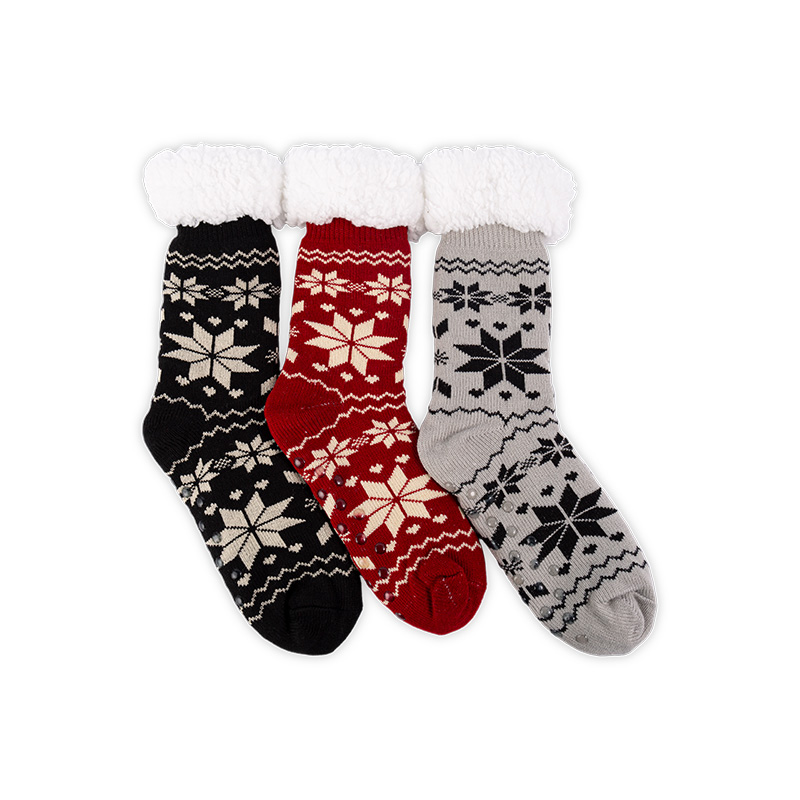
Our Main Products
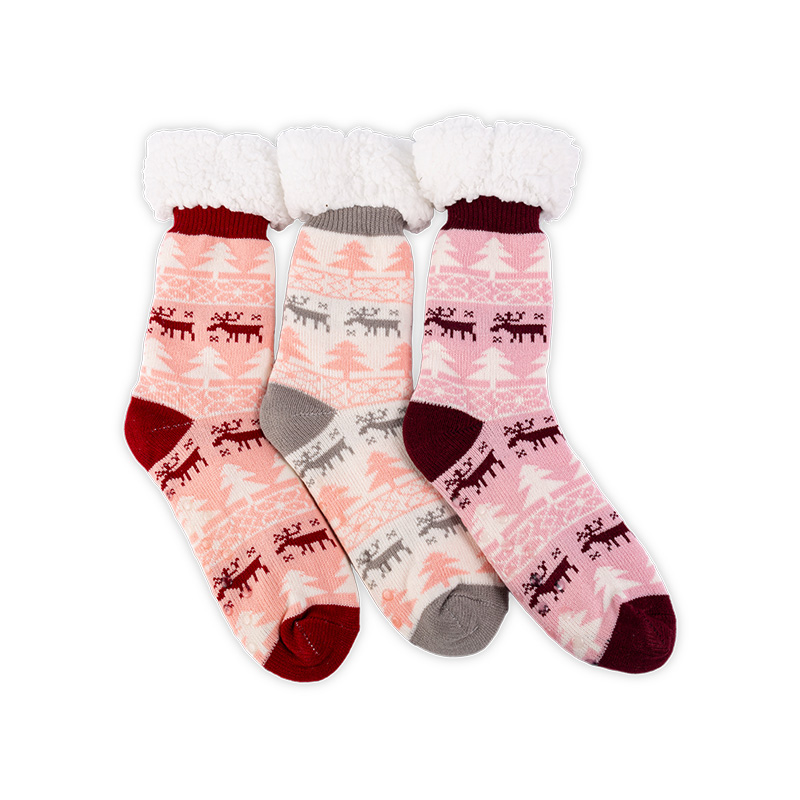
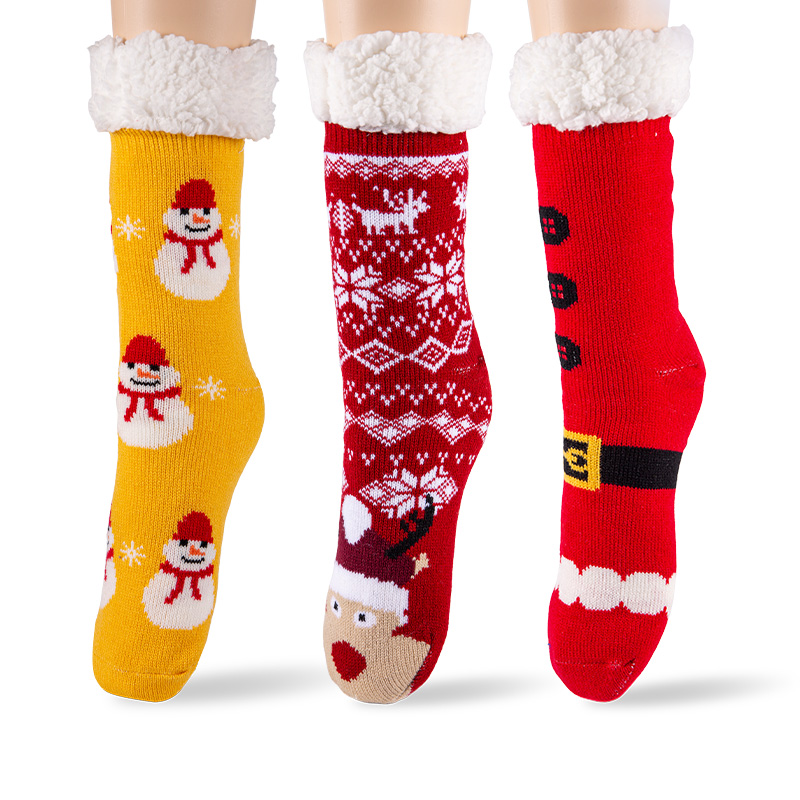
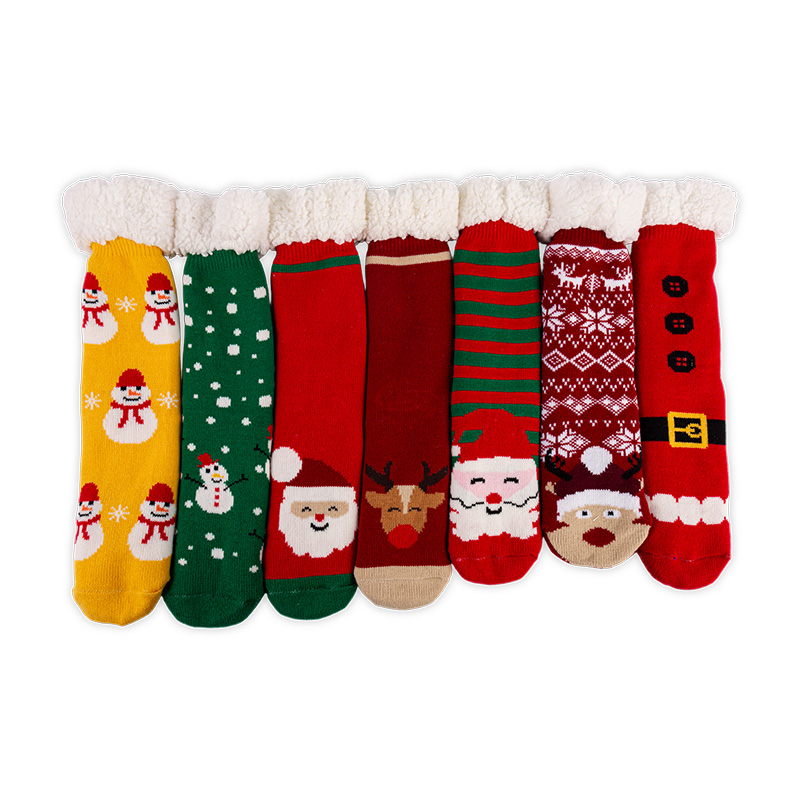
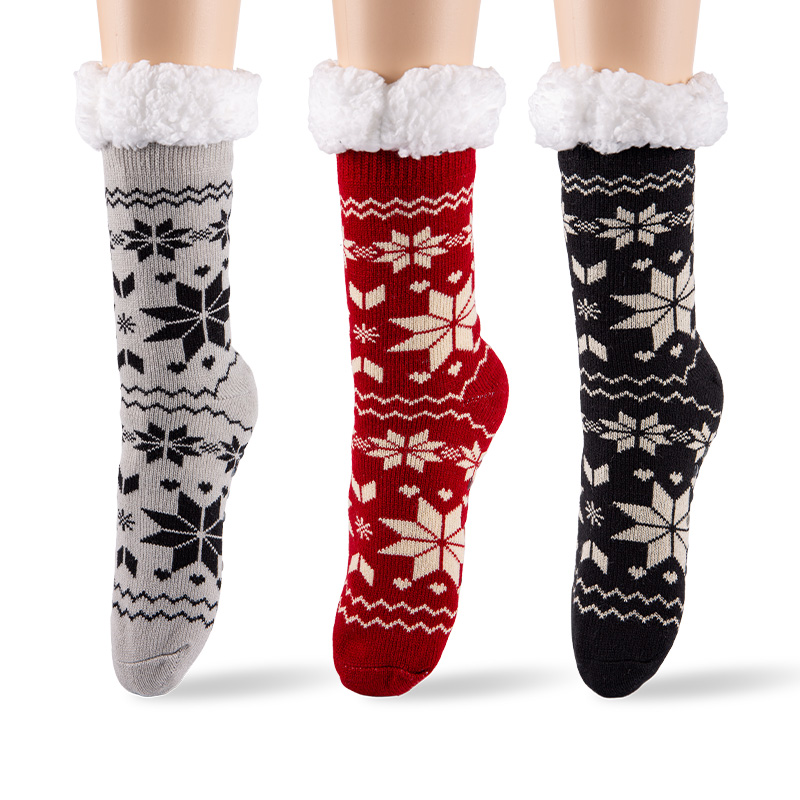

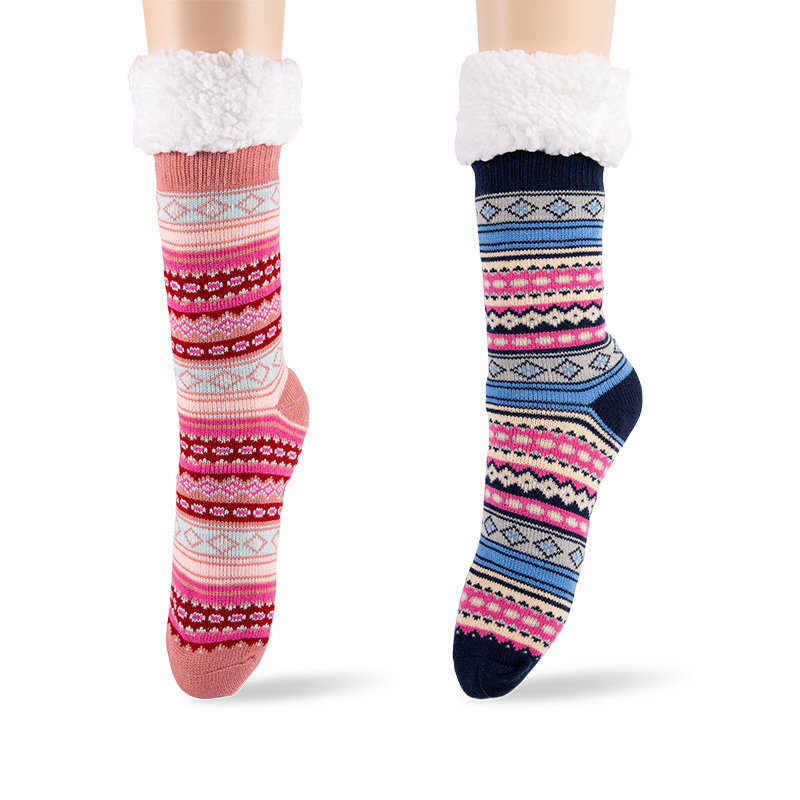
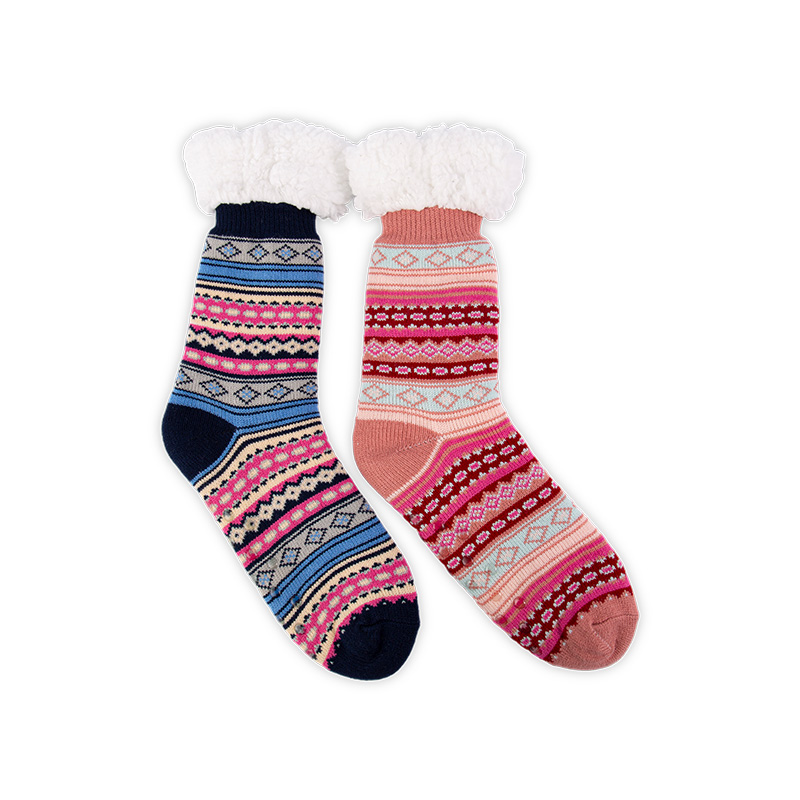
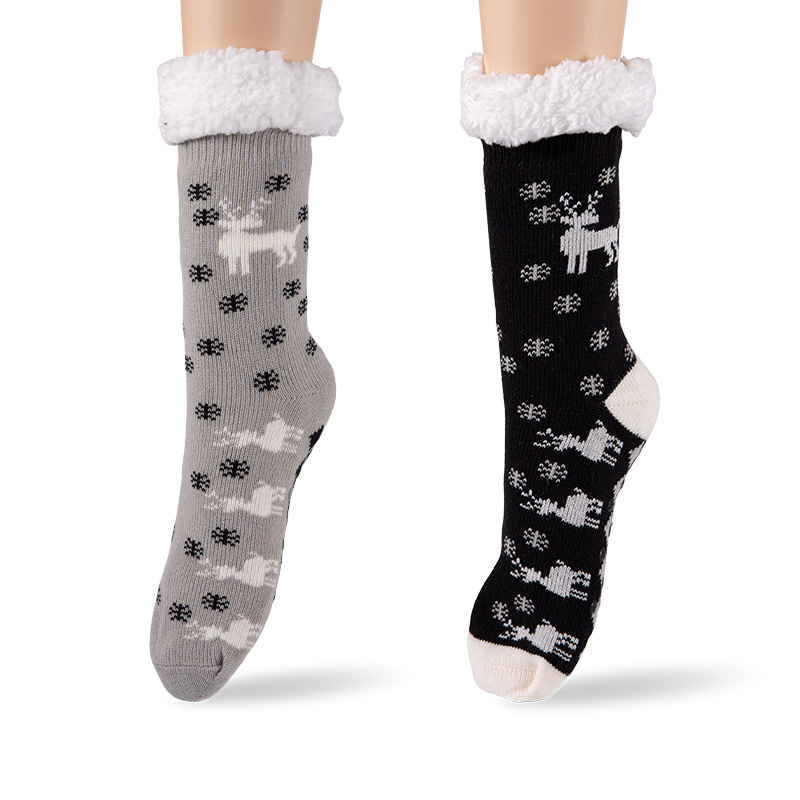
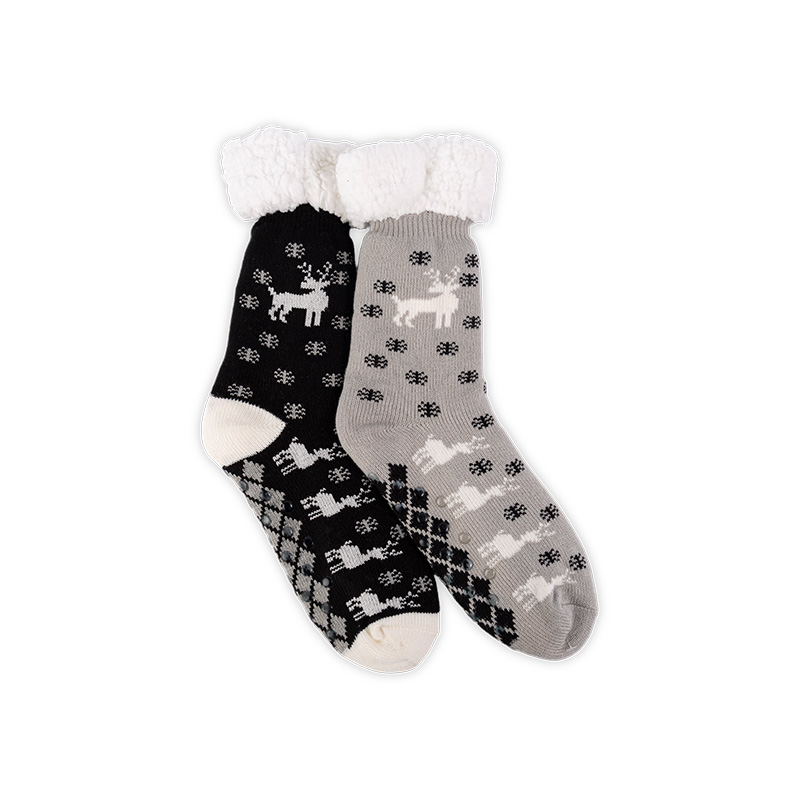
To Contact When You Need Us!
 +86-15995363302
 No.58,Xiaowuxiang Rd,Yunting Town,Jiangyin City,Jiangsu,China.
Copyright @ Jiangsu Ruizhi Knitwear Co., Ltd. All Rights Reserved.
