
 EN
EN
 English
  中文简体
中文简体  русский


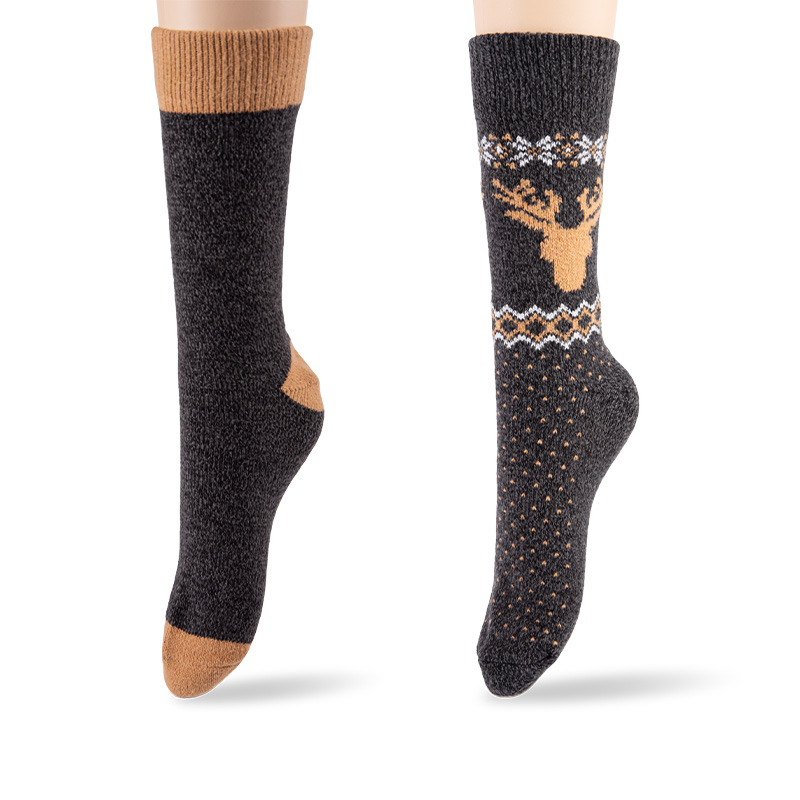
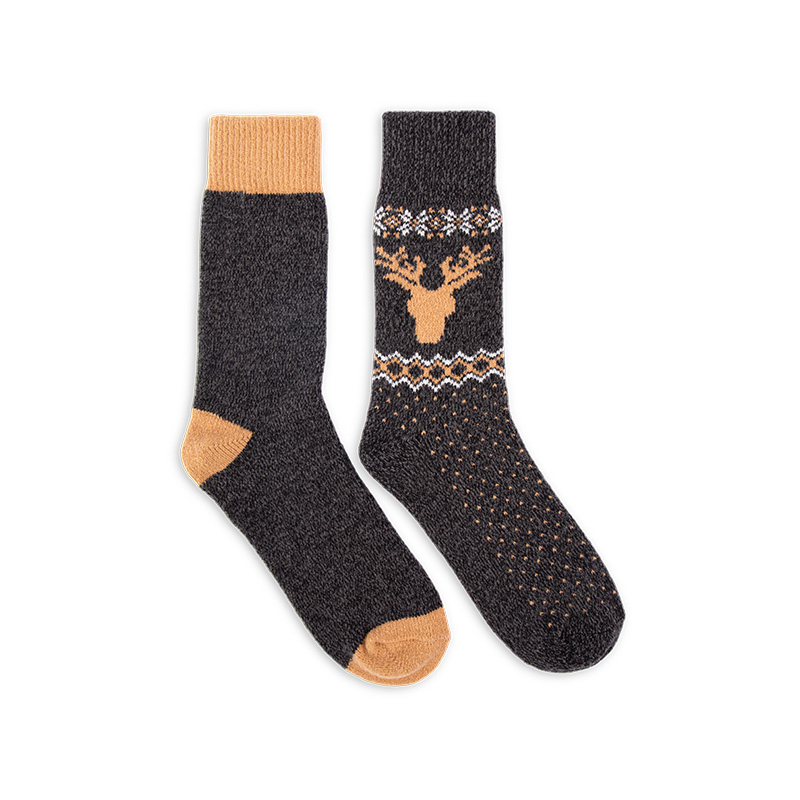
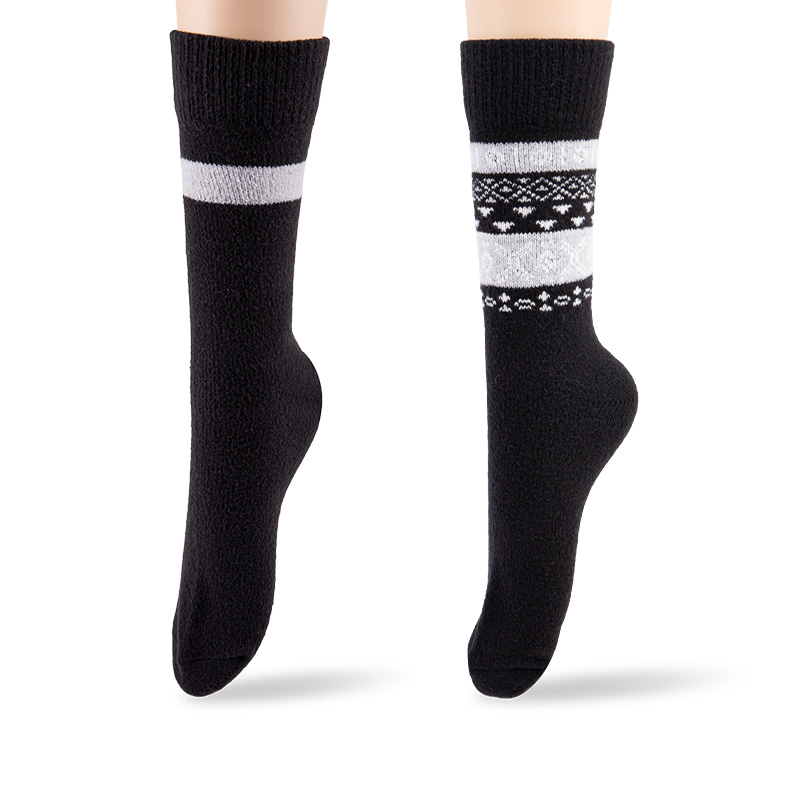
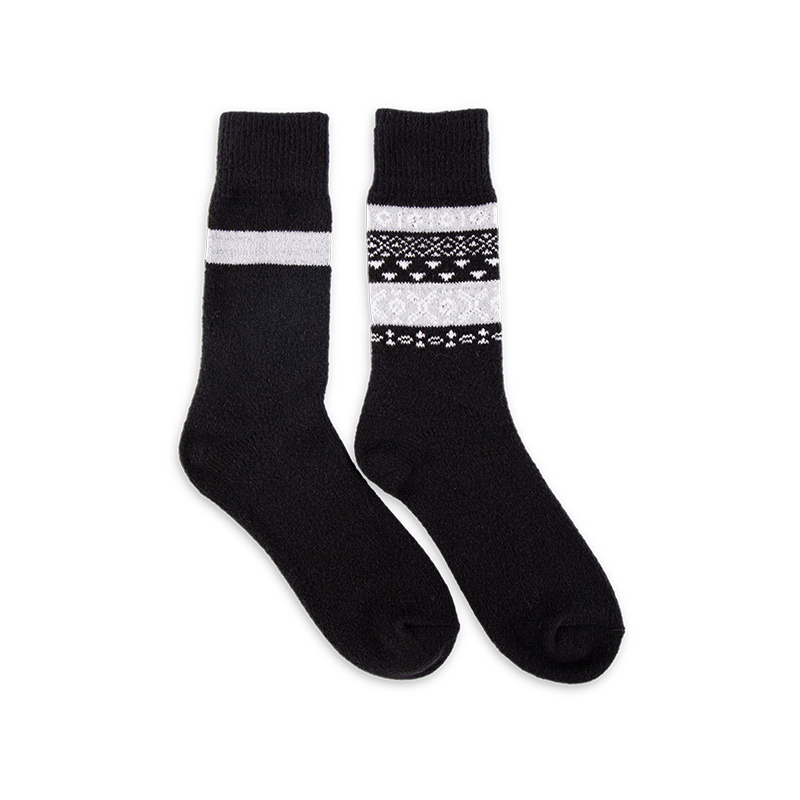
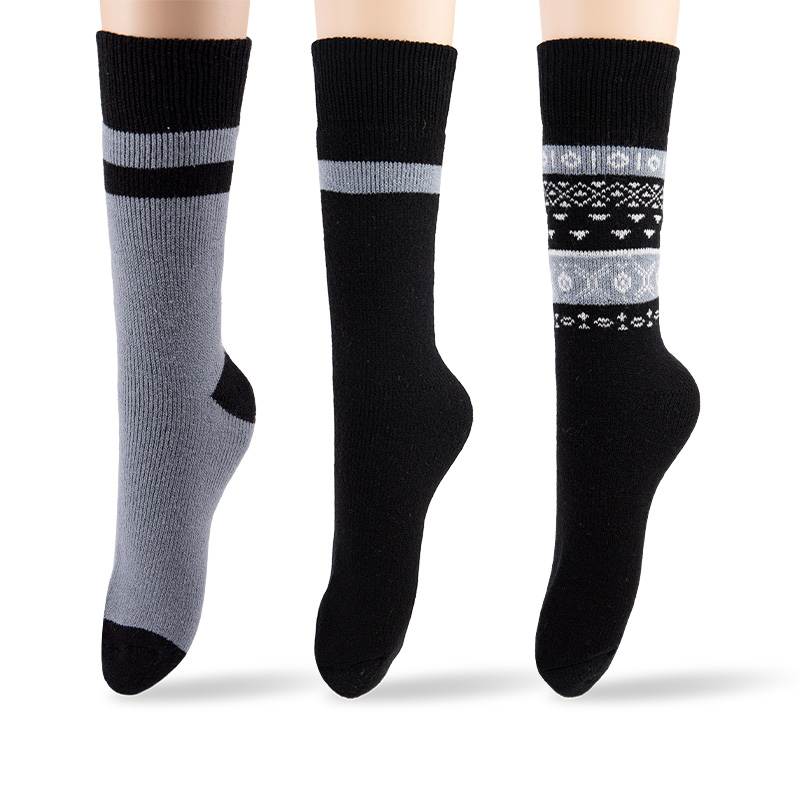
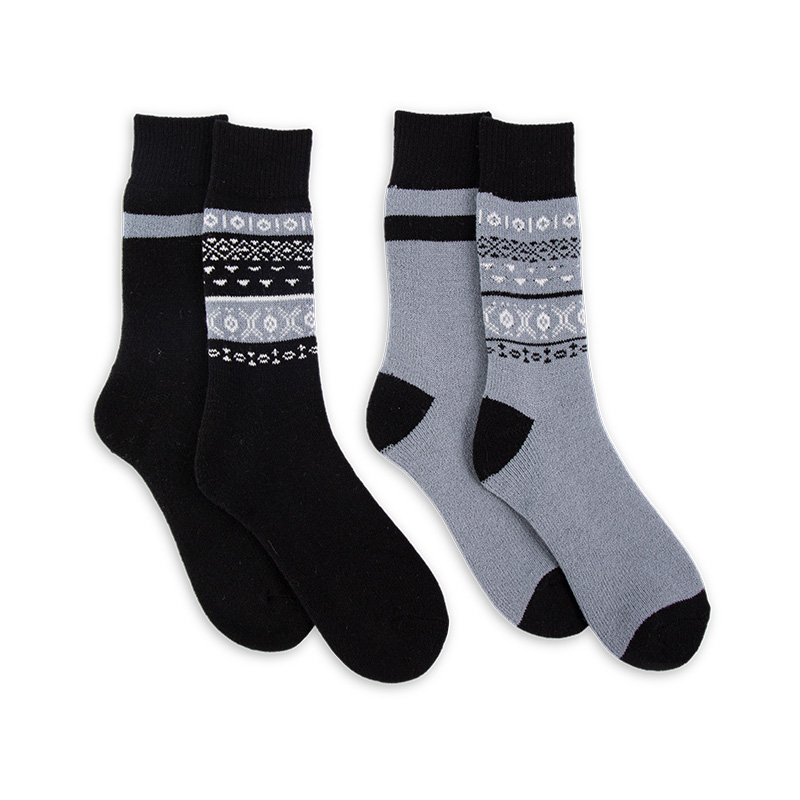
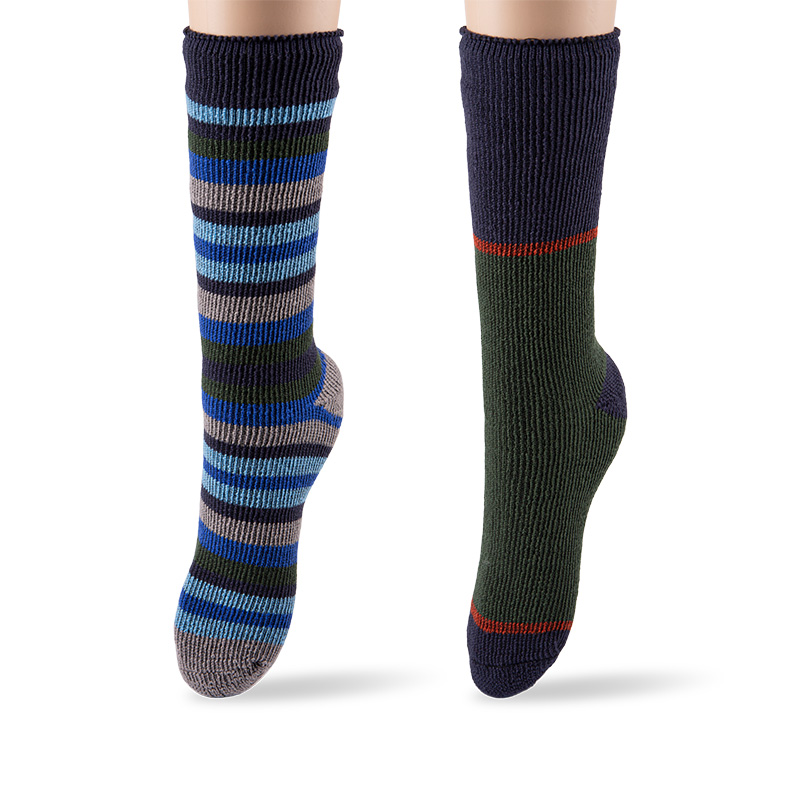
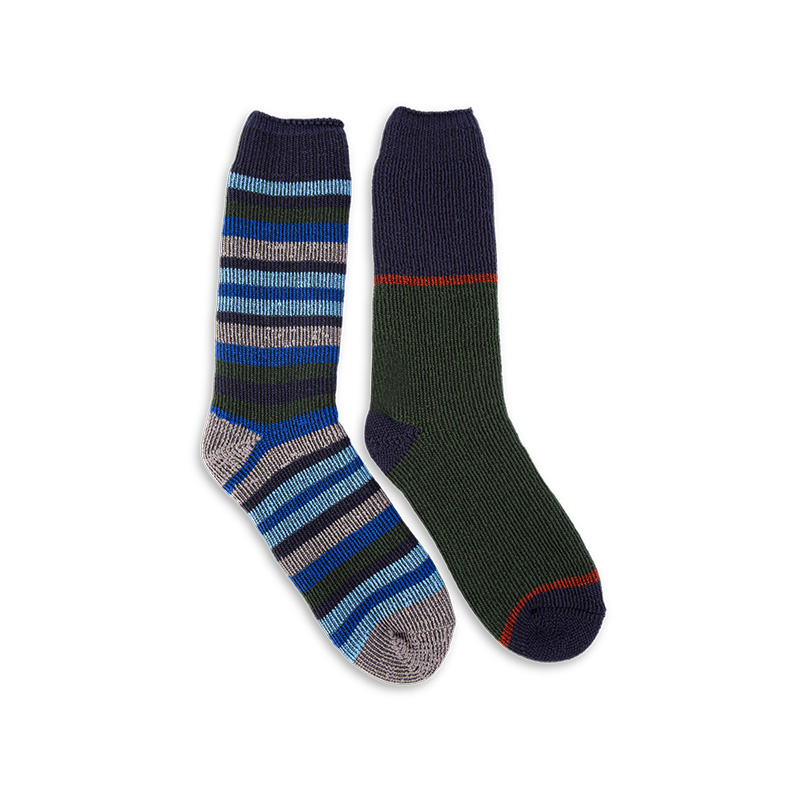
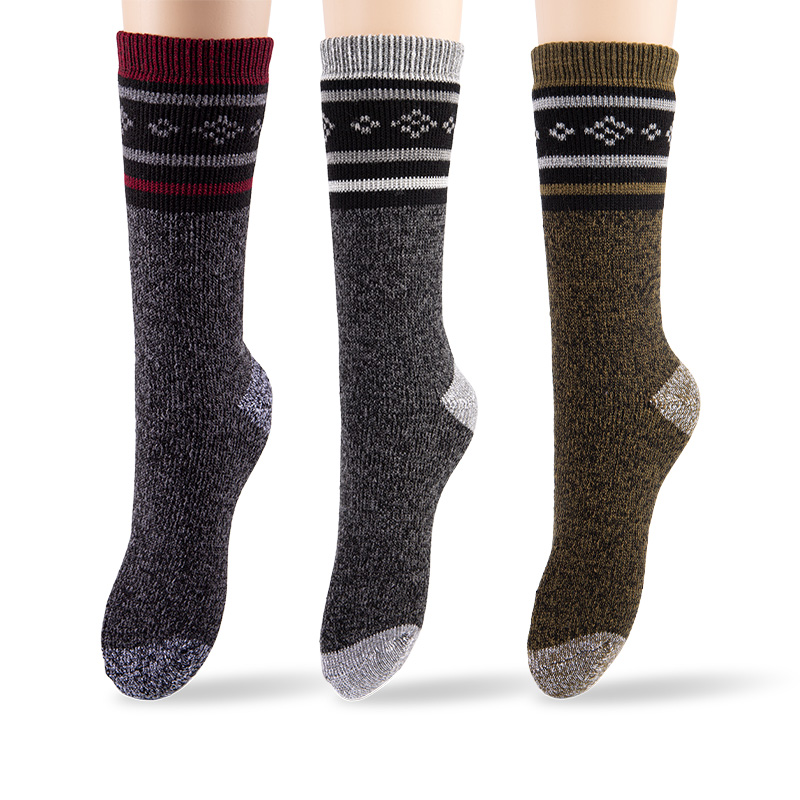
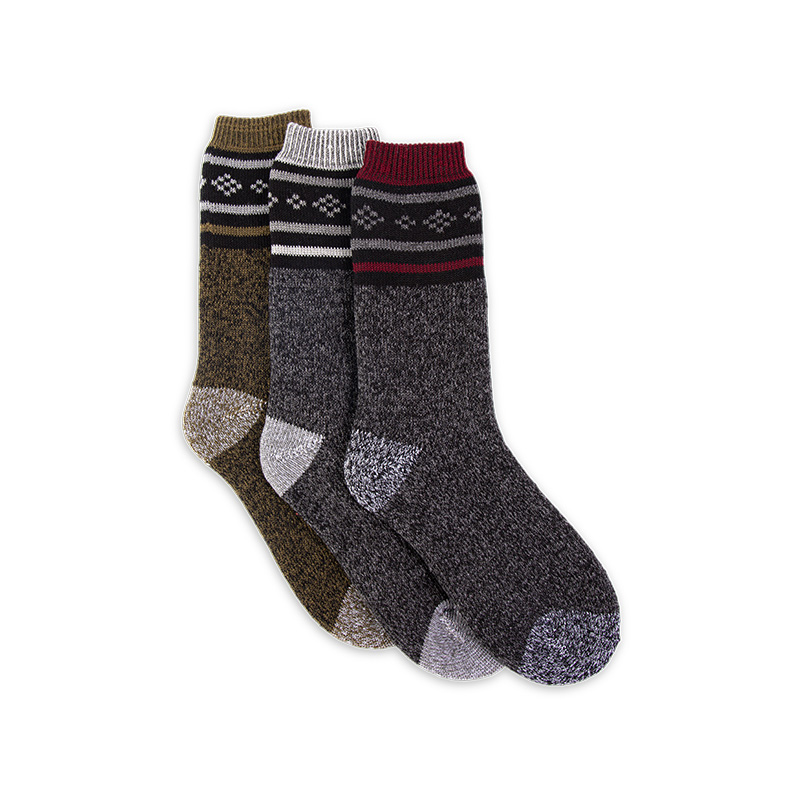
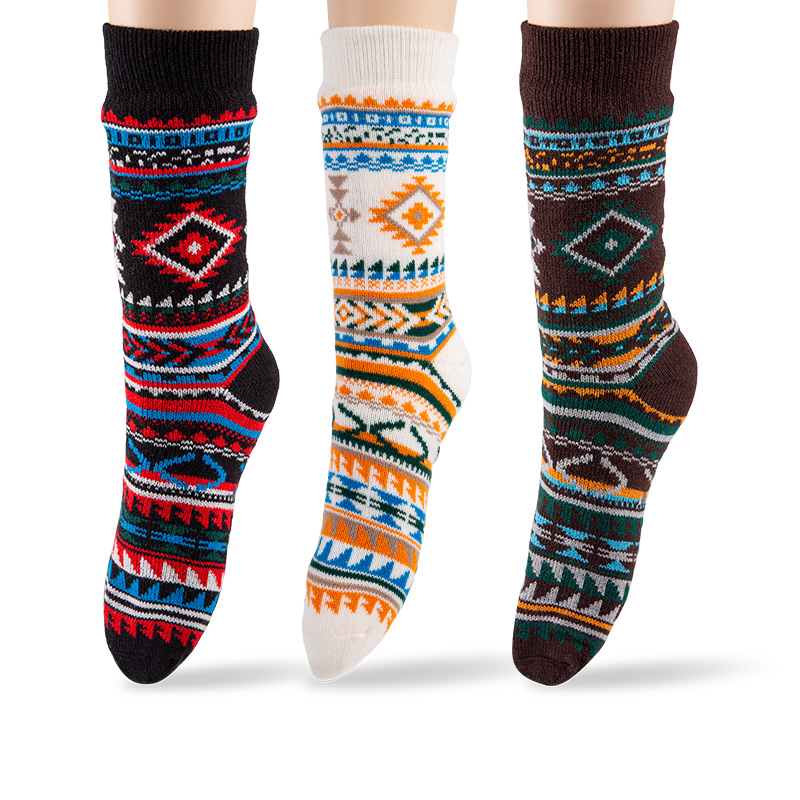
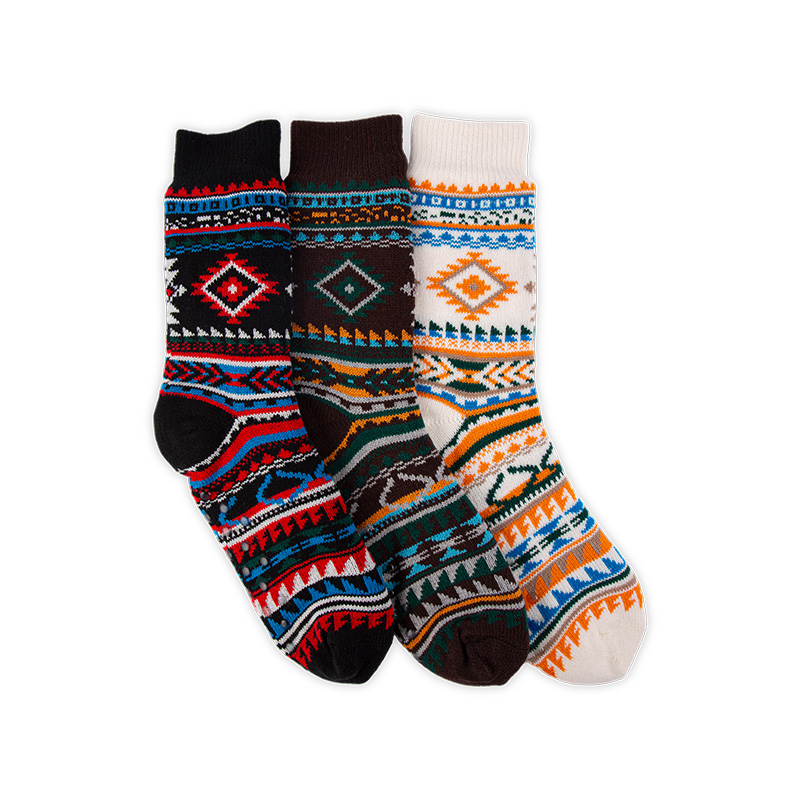
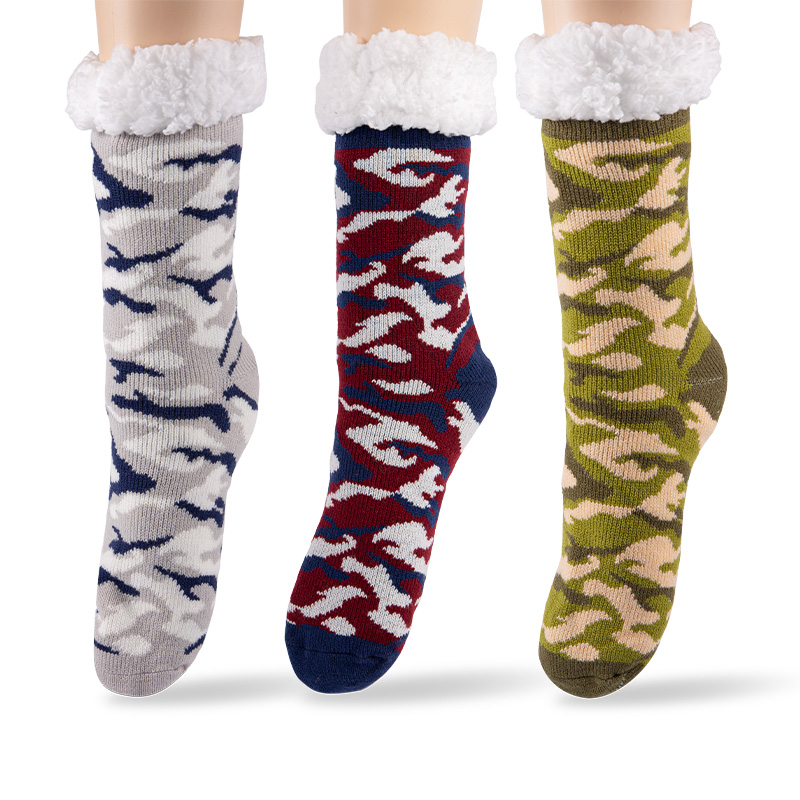
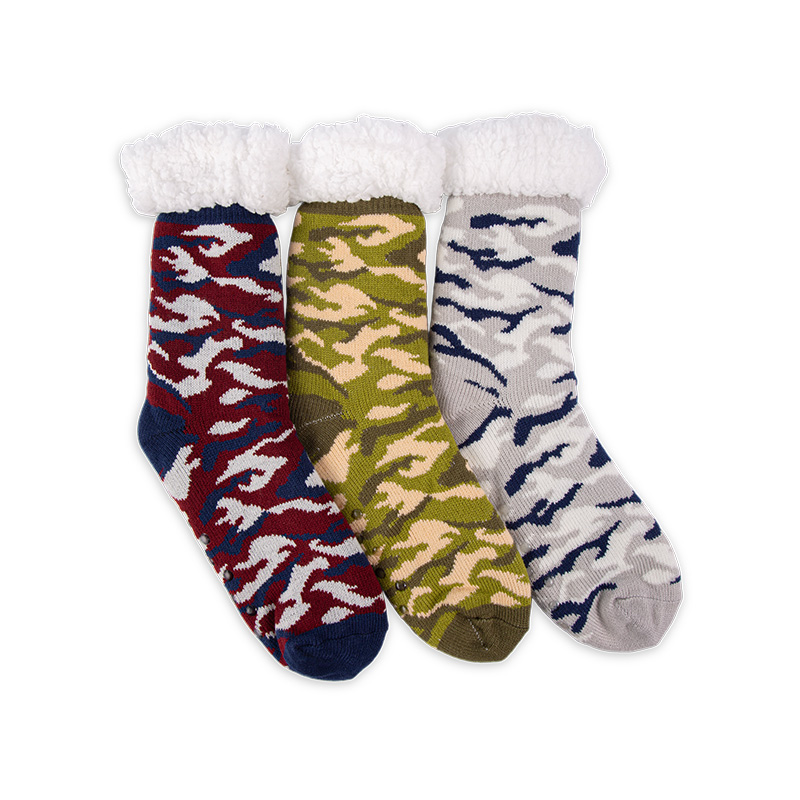
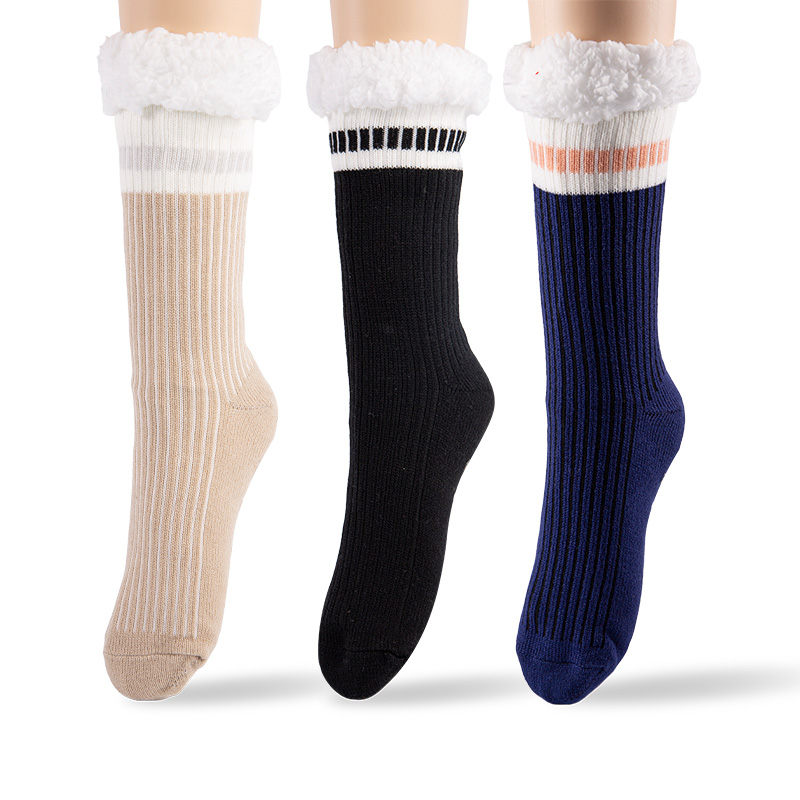
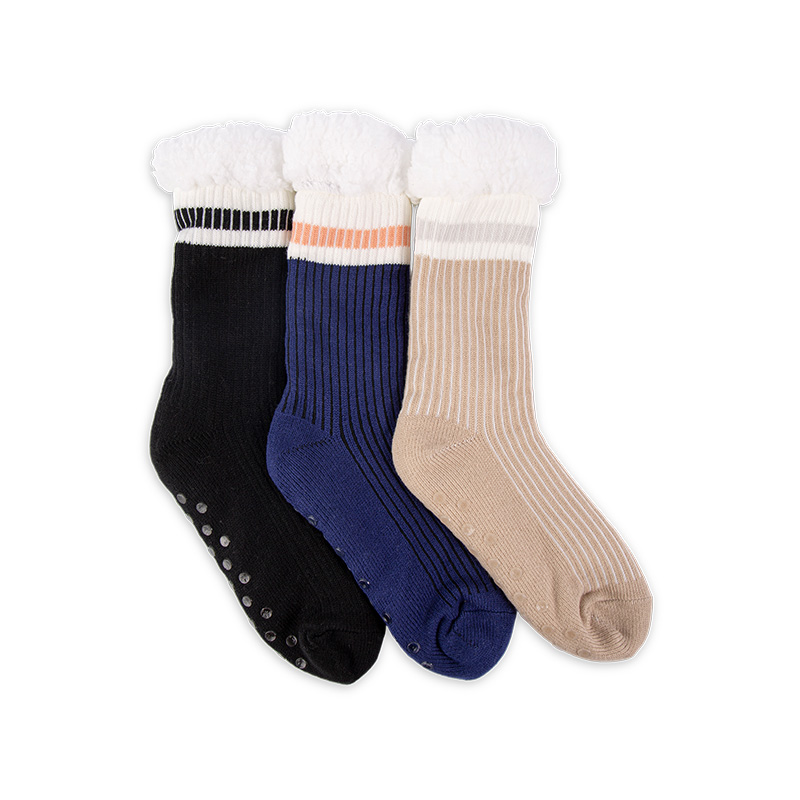
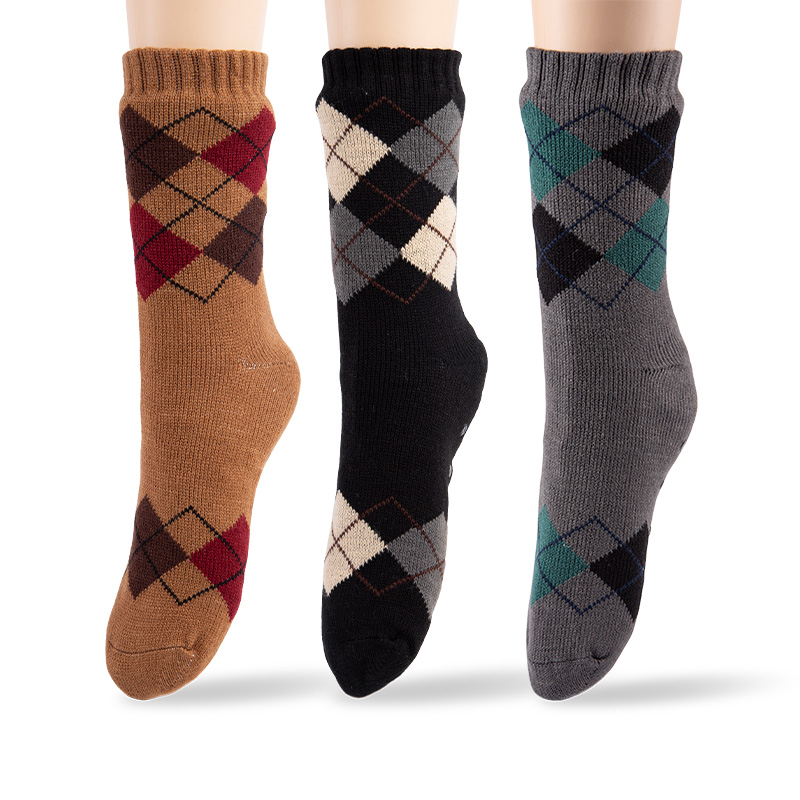
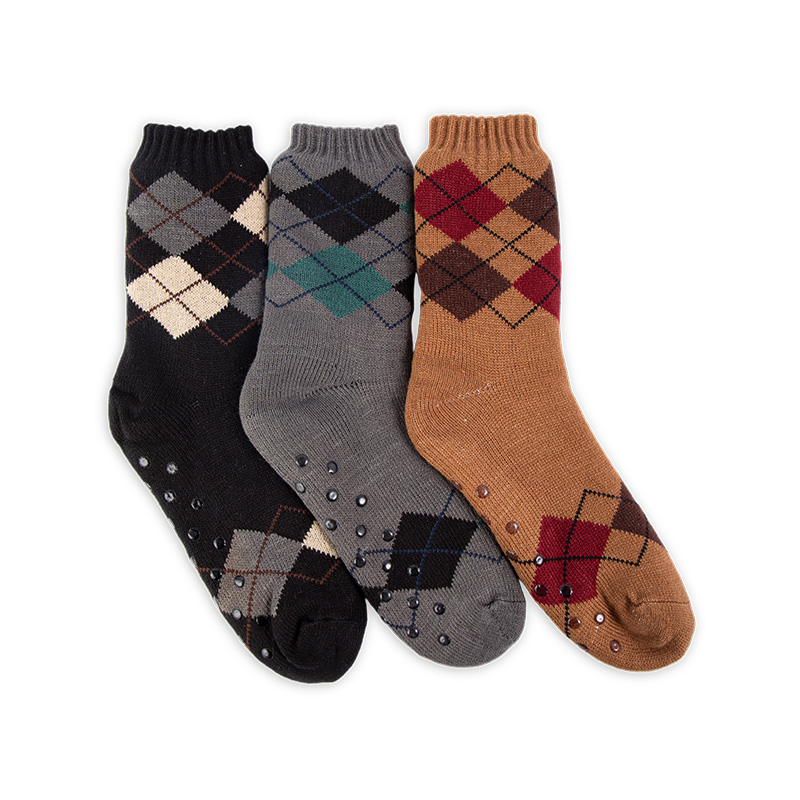
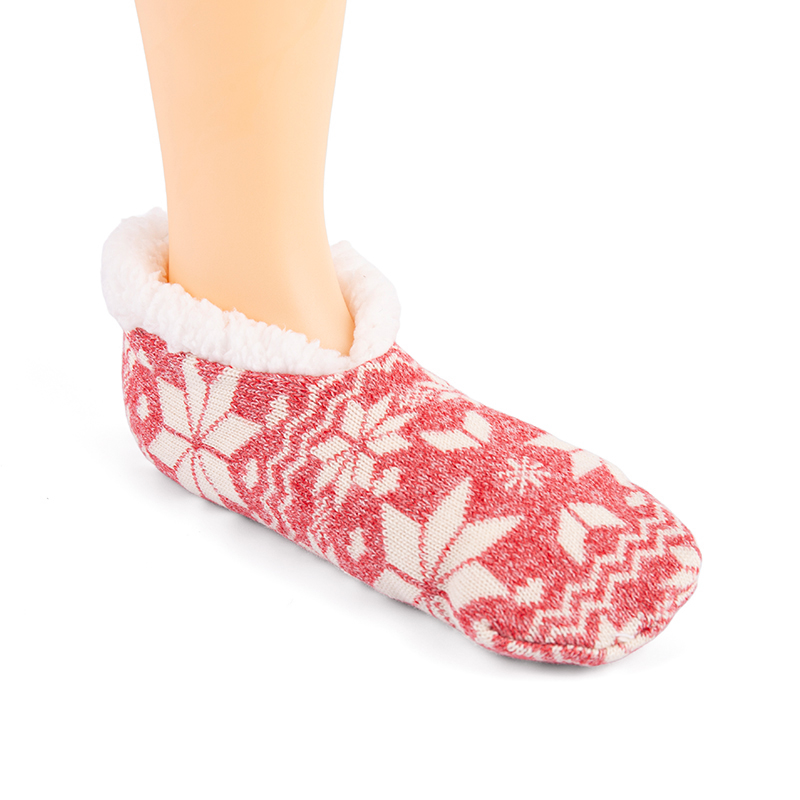
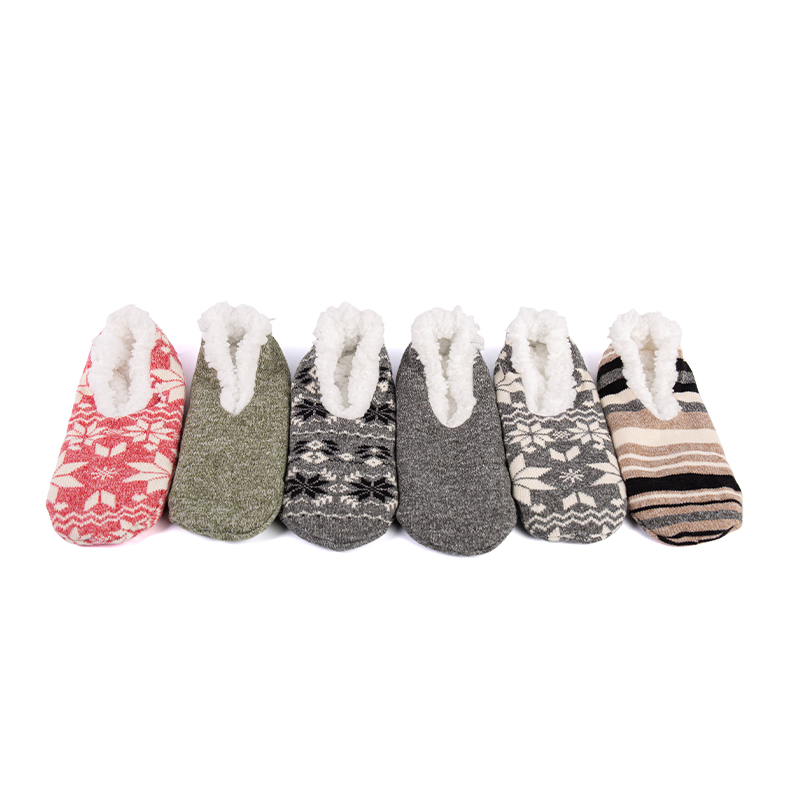
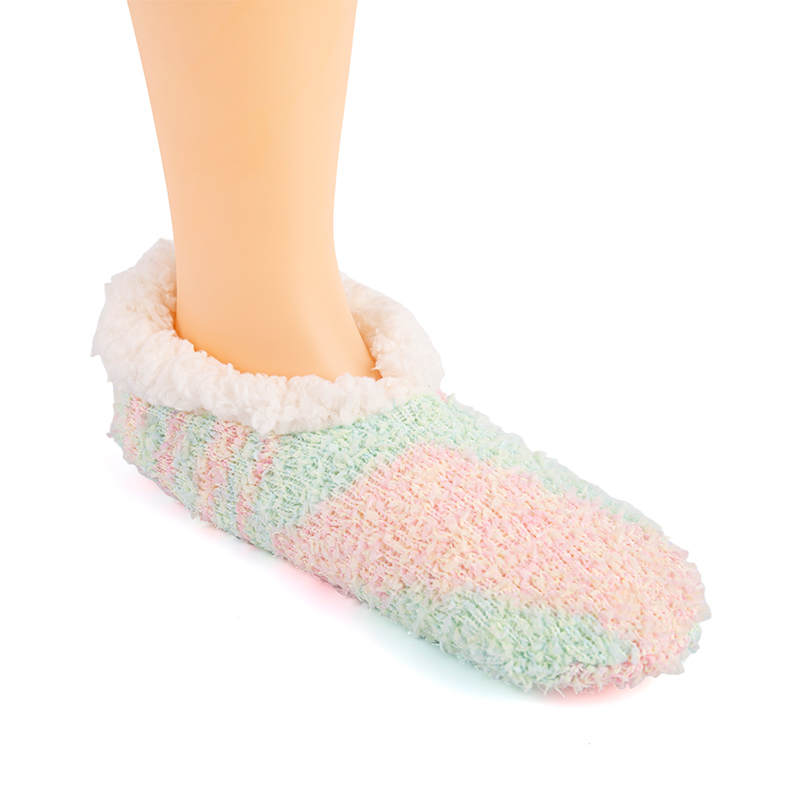
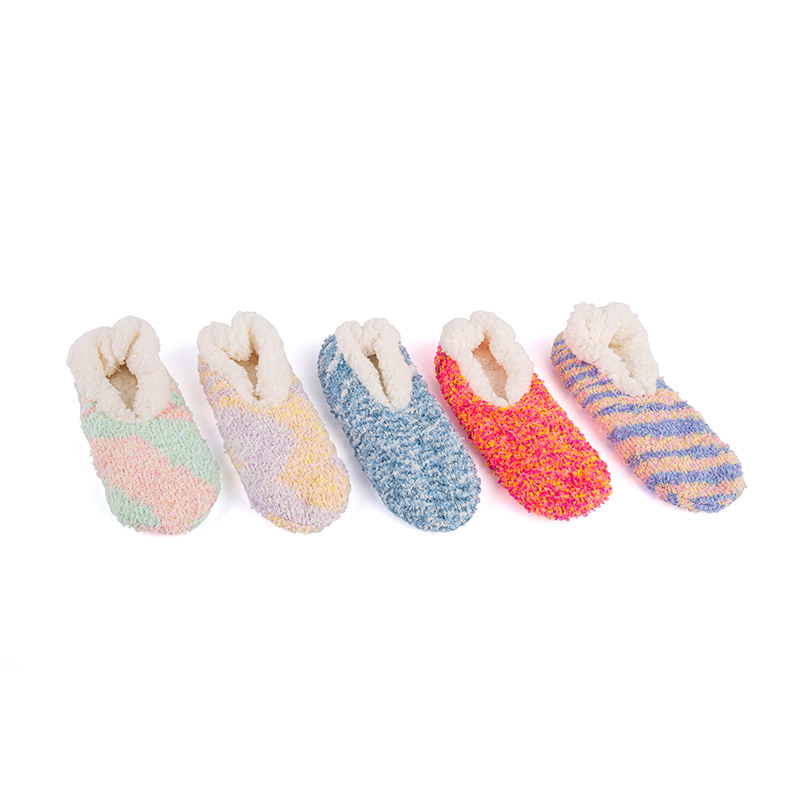

How Fiber Blends Improve the Performance of Knitted Sock Products
The performance of a Knitted Sock is determined not only by knitting technology but also by the combination of fibers used during production. Rather than relying on a single material, professional manufacturers often develop carefully balanced fiber blends to improve comfort, durability, moisture control, elasticity, and appearance. Different applications require different combinations. Athletic socks may prioritize moisture management and abrasion resistance, while casual or business socks focus more on softness and shape retention. Understanding fiber characteristics helps buyers choose products that match their target market instead of selecting socks based solely on price.
At Jiangsu Ruizhi Knitwear Co., Ltd., experienced technicians continuously evaluate different yarn combinations during product development. Supported by a professional R&D team and modern manufacturing equipment, the company combines practical industry experience with innovative material selection to create socks that balance comfort, long service life, and production efficiency. This material-focused approach also helps maintain consistent quality across large production runs while supporting customers requiring stable Bulk Wholesale Socks supply.
| Fiber | Main Benefit | Typical Application |
| Combed Cotton | Softness and breathability | Daily wear |
| Polyester | Quick drying and durability | Sports socks |
| Nylon | Abrasion resistance | Heel and toe reinforcement |
| Spandex | Stretch and recovery | Cuff and overall fit |
Quality Indicators Buyers Should Evaluate When Purchasing Bulk Wholesale Socks
When sourcing Bulk Wholesale Socks, buyers should evaluate manufacturing consistency rather than focusing exclusively on unit price. Stable sizing, reliable stitching, uniform color matching, and yarn quality directly influence customer satisfaction and reduce after-sales issues. Professional inspections normally include dimensional measurements after washing, elasticity recovery tests, seam strength evaluation, and visual inspections for knitting defects.
Because wholesale orders often involve thousands or even hundreds of thousands of pairs, production consistency becomes increasingly important. Jiangsu Ruizhi Knitwear Co., Ltd. operates a 5,000-square-meter factory with an annual production capacity of approximately 10 million pairs. Supported by an integrated design, development, production, and sales system, the company emphasizes consistent manufacturing standards, competitive pricing, continuous innovation, and responsive customer service, helping distributors receive products with dependable quality across multiple production batches.
- Uniform stitch density without visible loose loops or skipped stitches.
- Elastic cuffs that remain supportive after repeated stretching.
- Reinforced heel and toe areas for extended product lifespan.
- Color consistency across different production lots.
- Accurate packaging and labeling for efficient warehouse management.
How Knitting Structures Affect Sock Comfort and Durability
Different knitting structures can dramatically change how a Knitted Sock performs during everyday use. While consumers often notice only the pattern or color, the internal stitch construction determines cushioning, breathability, flexibility, and long-term durability. Manufacturers select different knitting techniques depending on the intended application, climate, and expected wearing conditions.
Common Structural Designs
| Structure | Characteristics | Suitable Products |
| Plain Knit | Lightweight and smooth | Business socks |
| Terry Knit | Extra cushioning and warmth | Sports and winter socks |
| Mesh Knit | Enhanced airflow | Running socks |
| Rib Knit | Excellent elasticity | Sock cuffs |
Manufacturers with dedicated product development capabilities often combine several knitting structures within one sock to optimize different functional areas. This integrated design philosophy enables improved comfort without significantly increasing production costs, making it particularly valuable for large-scale wholesale programs.
Why Manufacturing Stability Matters for Long-Term Wholesale Cooperation
Successful wholesale partnerships depend on more than competitive quotations. Buyers increasingly evaluate production capacity, delivery reliability, technical support, and continuous product improvement before selecting long-term suppliers of Bulk Wholesale Socks. Consistent manufacturing allows retailers to maintain inventory planning, reduce quality claims, and protect brand reputation.
As a modern sock manufacturer established in 2023, Jiangsu Ruizhi Knitwear Co., Ltd. integrates design, research, production, and sales into one coordinated operation. Located in the Yangtze River Delta with convenient transportation, the company benefits from efficient logistics while combining experienced industry professionals with energetic young talents who continually improve manufacturing processes. By focusing on reliable quality, innovation, responsive service, and competitive pricing, the company aims to build lasting partnerships with customers worldwide rather than simply supplying individual orders.
- Stable production scheduling reduces delivery uncertainty.
- Consistent product specifications simplify inventory management.
- Continuous product development helps brands respond to changing consumer preferences.
- Integrated manufacturing improves communication from sampling through mass production.
 +86-15995363302
 No.58, Xiaowuxiang Rd, Yunting Town, Jiangyin City, Jiangsu, China.